
Call Samaritans 116 123
Text SHOUT to 85258
Please use the numbers above for urgent support.
Antipsychotic Medication.
Antipsychotics are a category of medication designed to reduce the volume of "mental noise." If your brain feels like a radio stuck between stations—picking up static, interference, or voices that aren't there—these meds work to fine-tune the signal. They are primarily used to manage psychosis (including schizophrenia) and severe phases of bipolar disorder, acting as a stabiliser to help you regain your footing.
MMH provides information for signposting only. We are not medical professionals. Always consult your GP or Psychiatrist before starting or stopping any treatment.

What is it?.
Think of antipsychotics as a dampening field for an overactive nervous system. They are not "happy pills" and they don't change your personality. Instead, they are tools designed to manage experiences where reality feels distorted or overwhelming.
There are generally two types you might encounter in the UK workshop:
- First Generation (Typical): The older, heavy-duty tools. Effective, but often come with more physical side effects (like stiffness).
- Second Generation (Atypical): The newer, more modern toolkit. These are generally the first line of defence as they tend to have fewer movement-related side effects, though they need monitoring for metabolic changes (like weight).
Who is this for?
- Men dealing with Schizophrenia.
- Those experiencing Psychosis (hallucinations or delusions).
- Bipolar Disorder (specifically to manage manic episodes).
- Sometimes used in lower doses for severe Anxiety or Depression when standard meds aren't cutting it.
How it works.
To understand antipsychotics, you have to look at the brain's chemical messaging system, specifically a chemical called Dopamine. Dopamine helps transmit signals between brain cells.
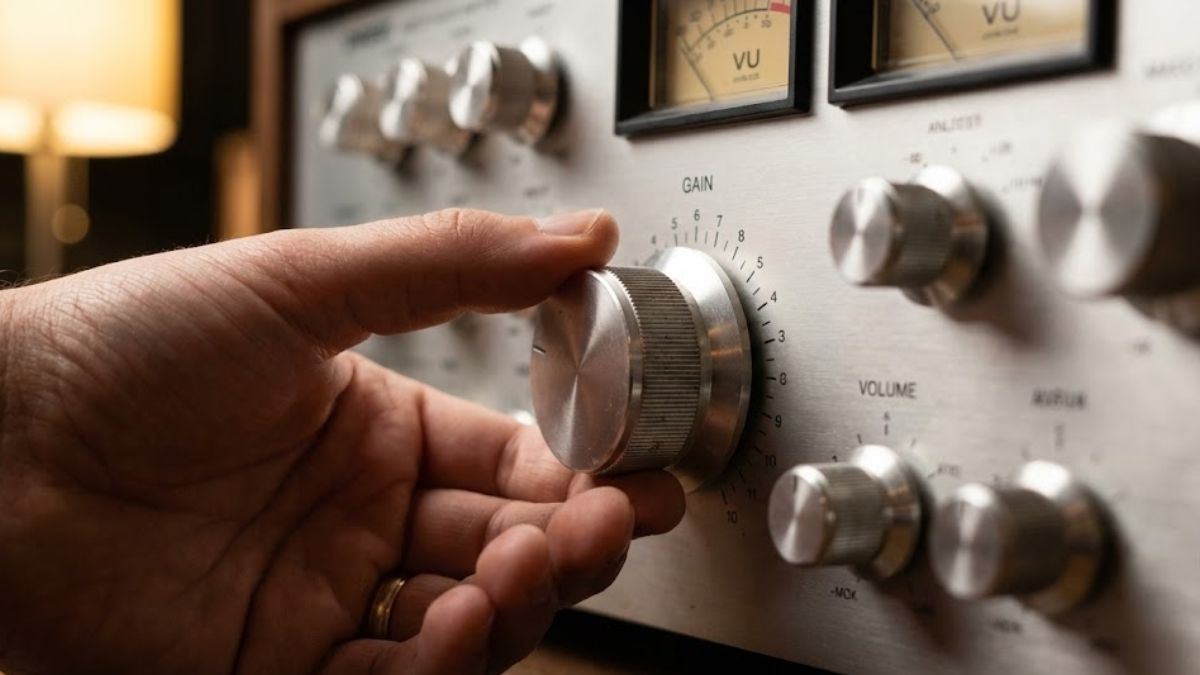
In conditions like psychosis or mania, the dopamine levels are often too high—it's like having the input gain on a microphone turned up until it screeches with feedback. You hear and see things that aren't there because the system is overloaded.
Antipsychotics act as a regulator. They block some of the dopamine receptors, effectively turning that input dial down. This reduces the "feedback" (hallucinations) and allows the brain to process information more clearly.
The Goal
The objective isn't to numb you out; it's to clear the interference so you can function, hold down a conversation, and get back to your daily routine without the distortion.
Need to speak to a pro?
Antipsychotics are powerful tools that require a specialist's prescription. If you are struggling with reality or mania, reach out to the NHS now.
Find NHS Services →
What to expect.
The Routine
Most commonly, this is a daily tablet. However, for men who struggle to remember daily meds (or prefer not to have the daily reminder of their condition), there is an option called a "Depot Injection." This is a slow-release jab given by a nurse every 2 to 4 weeks—think of it as a scheduled service rather than daily maintenance.
Timeline and Calibration
Unlike a headache tablet, these don't work instantly.
- Days 1-7: You might feel sedated or "heavy" as your body adjusts. This usually passes.
- Weeks 2-6: This is when the "noise" usually starts to quieten down.
Note on Side Effects: These meds can impact your metabolism. Weight gain can happen. It’s important to treat your physical health (diet and movement) as part of the treatment plan to counteract this.
Common Myths.
Myth: "They are a chemical lobotomy."
Reality: This is an outdated fear from the 1950s. Modern meds are designed to restore function, not remove it. If you feel like a "zombie," the dosage is likely too high or it's the wrong tool for you. Tell your doctor—adjustments can be made.
Myth: "I'll be on them forever."
Reality: Not necessarily. For some, it's a lifetime maintenance plan (like insulin for a diabetic). For others, it's a temporary support structure used for a year or two to get through a crisis period.


Getting started.
NHS Pathway
You generally cannot get these purely from a standard GP appointment. The route usually looks like this:
- Visit your GP to discuss symptoms.
- Referral to a Community Mental Health Team (CMHT) or Psychiatrist.
- Assessment and prescription by the specialist.
- Once stable, your GP may take over the repeat prescriptions (Shared Care).
Private Route
Seeing a private psychiatrist can bypass waiting lists for the initial assessment. However, ensure they can transfer your care back to the NHS later, or you may be liable for the ongoing cost of the medication, which can be expensive.
Taking the first step.
Accepting that you need medication to manage your reality is a massive step, and it requires courage. It doesn't mean you are "crazy" or "broken." It means you are taking responsibility for your hardware. If the noise is too loud to handle alone, let the professionals help you turn the dial down.
Stick to the Spec
Take the medication exactly as the Psychiatrist or GP directed. Don't double up if you miss one, and don't stop abruptly just because you feel better.
Watch the Gauges
Keep track of how you feel physically. If you notice weight changes or stiffness, report it to your GP. Adjustments can be made.
Fuel & Maintenance
Some meds can slow your metabolism. Counteract this by prioritizing fresh food and getting outside for a walk or run to keep your engine clean.
Automate It
Don't rely on memory. Use phone alarms or a pill organiser box to ensure "medication adherence" becomes an automatic habit, not a daily worry.
Build Your Pit Crew
Don't do this in isolation. Whether it's a family member, a mate, or a support group, having people in your corner makes the recovery smoother.