
Call Samaritans 116 123
Text SHOUT to 85258
Please use the numbers above for urgent support.
Anxiety.
We need to clear the air about anxiety. It isn’t a character flaw, and it certainly isn’t a sign of weakness. In reality, anxiety is a biological alarm system—one that evolved to keep us safe from predators—that has simply become stuck in the "on" position. For many men, this manifests not just as worry, but as physical tension, irritability, or a constant feeling that the other shoe is about to drop.
You aren't broken. You are simply running an outdated survival software in a modern world full of relentless notifications and pressures. The good news is that this system can be recalibrated.
*MMH provides signposting and peer support information, not medical diagnosis. If you are experiencing severe symptoms, please consult a GP. Not sure where to turn? See urgent support options ↓
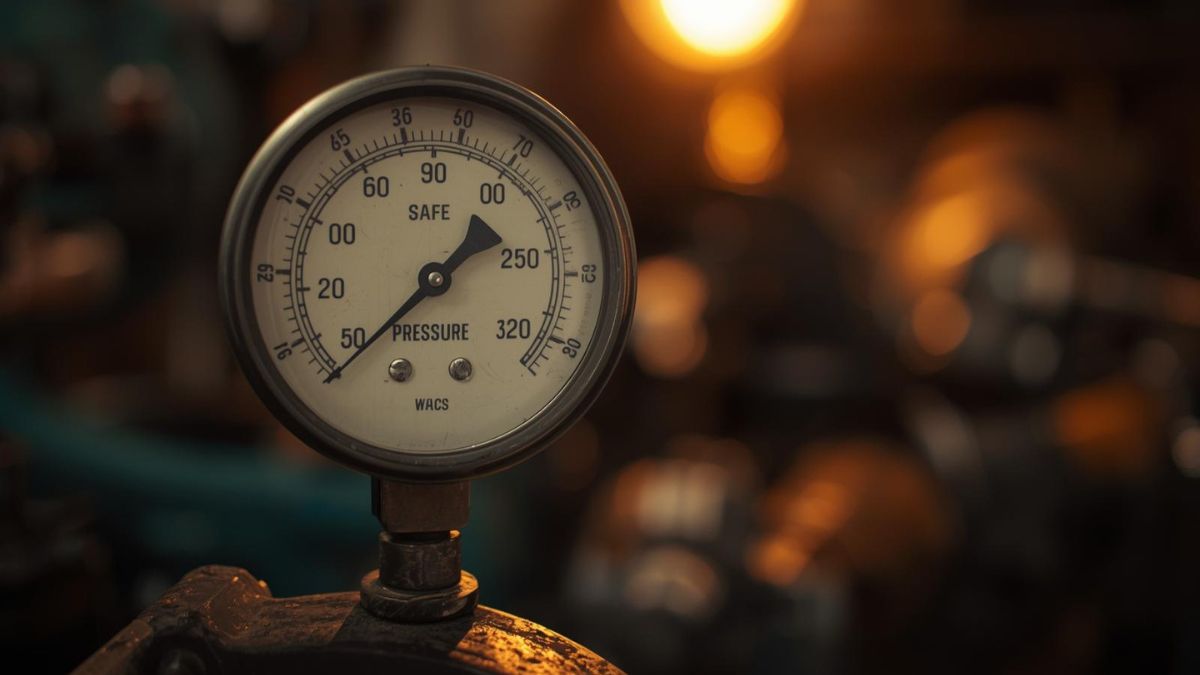
Fight, Flight, or Freeze.
The Adrenaline Trap
Thousands of years ago, if a tiger jumped out of a bush, your body dumped adrenaline into your bloodstream. Your heart raced, your muscles tensed, and your focus narrowed. You either fought the tiger or ran away. Once the danger passed, your body reset.
Today, the "tigers" are overdue bills, difficult bosses, family expectations, or just the general noise of modern life. The problem is, you can’t physically fight an email or run away from a mortgage. So, that adrenaline builds up with nowhere to go. This constant state of high alert is what we call anxiety. It is physically exhausting because your engine is revving in neutral 24/7.
How It Shows Up in Men.
Men often experience anxiety differently than women. We are conditioned to hide vulnerability, so our anxiety often wears a disguise. It might not look like "worry"; it might look like anger, silence, or physical pain.
Physical Signs
- Tightness in the chest or constant muscle tension (especially jaw and shoulders).
- Digestive issues, churning stomach, or "IBS" symptoms.
- Sleep disruption: trouble falling asleep or waking up with a racing mind.
- Restlessness, twitching, or an inability to sit still.
Emotional & Behavioral Signs
- The Short Fuse: Snapping at loved ones over small things (irritability is a huge indicator).
- Avoidance: Procrastinating on tasks or avoiding social situations to dodge the feeling of unease.
- Numbing: Reaching for a beer, food, or scrolling social media to switch the brain off.
- Catastrophising: Assuming the worst-case scenario will happen in any given situation.

Break the Cycle of Isolation
Anxiety thrives in silence. It convinces you that you're the only one struggling. You aren't. Connect with other men who understand the pressure and get out of your own head.
Find a Local Group →
The "High-Functioning" Myth.
Looking Calm, Feeling Chaotic
There is a specific type of anxiety that many successful men suffer from: High-Functioning Anxiety. On the outside, you look like you have it all together. You are the reliable one, the provider, the guy who gets things done. You likely perform well at work and keep a tidy house.
But inside, it’s a different story. Your drive to succeed is actually driven by a fear of failure. You can’t relax because you feel that if you stop for a second, everything will fall apart. This is incredibly draining because you are effectively wearing a mask all day, terrified that someone will see the panic underneath. Admitting this isn't failure; it's the first step to true strength.
The Ripple Effect.
Left unchecked, anxiety rarely stays in its box. It starts to bleed into the areas of life you value most.
In relationships, your partner might interpret your withdrawal or irritability as a lack of love, leading to arguments that only increase your stress. At work, the constant fear of making a mistake can lead to burnout or "analysis paralysis," where you can't make decisions. Physically, chronic anxiety spikes cortisol levels, which can impact your heart health, weight, and libido. Dealing with anxiety is arguably the best thing you can do for your physical health.


It Is Highly Treatable.
Here is the reality check you need: Anxiety is temporary, and it is manageable. Because anxiety is largely a mechanical issue in the brain (the threat detection system), there are proven mechanical fixes.
Cognitive Behavioural Therapy (CBT) is incredibly effective for men because it’s practical—it gives you tools and strategies, not just "talk." Lifestyle changes, such as reducing caffeine, prioritising sleep, and physical exercise, burn off that excess adrenaline. You have trained your brain to be anxious; the great news is that thanks to neuroplasticity, you can train it to be calm again.
Practical Steps to Regain Control.
You don't have to wait for a doctor's appointment to start lowering the volume on your anxiety. Here are five practical, immediate actions you can take to ground yourself.

Talk to someone you trust
Open up to a friend, family member, therapist, or doctor. Sharing your struggles can be a huge weight off your shoulders.

Educate yourself
Learn more about anxiety disorders, their symptoms, and different treatment options. Knowledge is power!

Seek professional help
A therapist can provide cognitive-behavioral therapy (CBT) which is highly effective in managing anxiety. They can also teach stress-management techniques and relaxation exercises.

Focus on healthy habits
Prioritize a balanced diet, regular exercise, quality sleep, and activities you enjoy. These habits can significantly improve your mood and reduce anxiety symptoms.

Build a support system
Surround yourself with positive and supportive people who understand what you're going through. Consider joining an anxiety support group for men.