
Call Samaritans 116 123
Text SHOUT to 85258
Please use the numbers above for urgent support.
Life Challenges.
Sometimes the problem isn't "in your head"—it's in your life. External pressures like losing a job, debt, or housing worries can hammer your mental health just as hard as any biological condition. These guides focus on the practical hits life takes at us, and how to stay standing while you sort them out.

Job Loss.
Losing a job is often a massive blow to a man's sense of identity and purpose, not just his bank balance. It’s easy to feel like you’ve failed or lost your status as a "provider," but redundancy is a circumstance, not a character flaw. Rebuilding confidence starts with separating who you are from what you do.
Financial Stress.
Debt and money worries trigger a primal "survival mode" response in the brain. The constant background stress of bills and arrears can ruin your sleep, snap your temper, and make you want to withdraw from everyone. Tackling the money often starts with tackling the panic first.

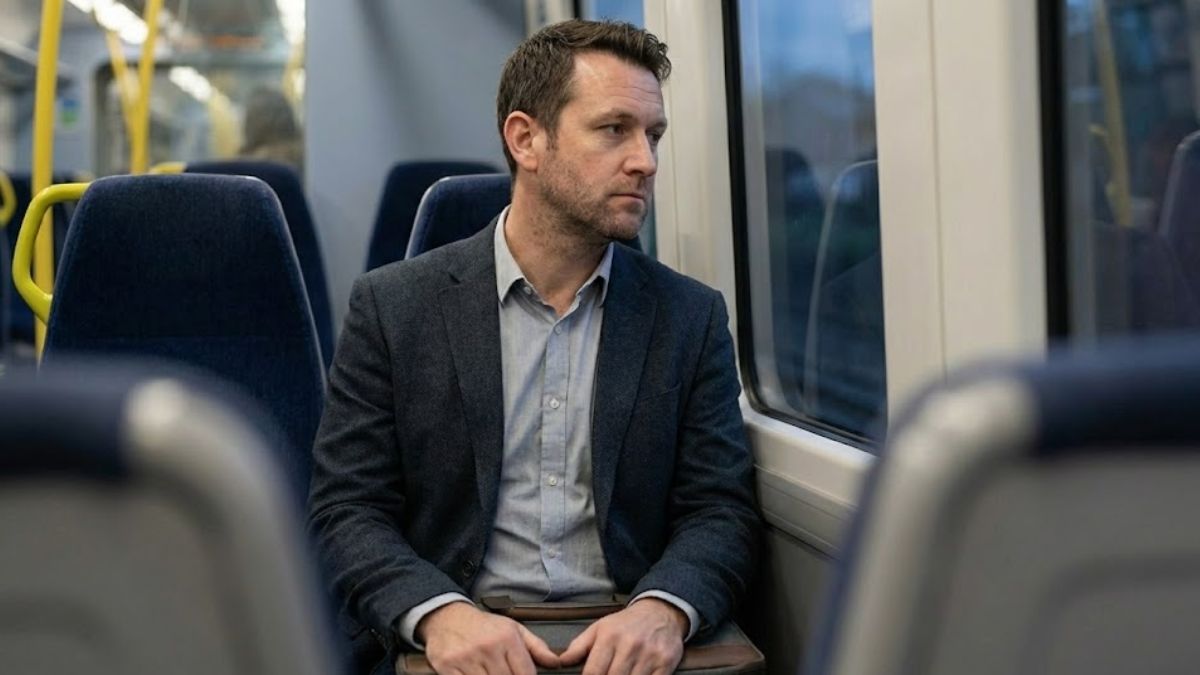
Work-Related Stress.
There is a difference between working hard and burning out. When the pressure to perform becomes unmanageable, or a toxic environment starts eating into your evenings and weekends, it’s time to draw a line. Stress at work is the number one cause of long-term illness for men in the UK.
Need Practical Advice?
Sometimes the best way to fix your mental health is to fix the problem causing the stress. For free, expert advice on debt, housing, and legal rights, we recommend:
Visit Citizens Advice UK →Stress.
Stress is the body's reaction to feeling threatened or under pressure. While a little bit can motivate us, staying in that "fight or flight" mode long-term wreaks havoc on your physical health and mood. Learning to recognize your personal triggers is the first step to turning the volume down.
Homelessness.
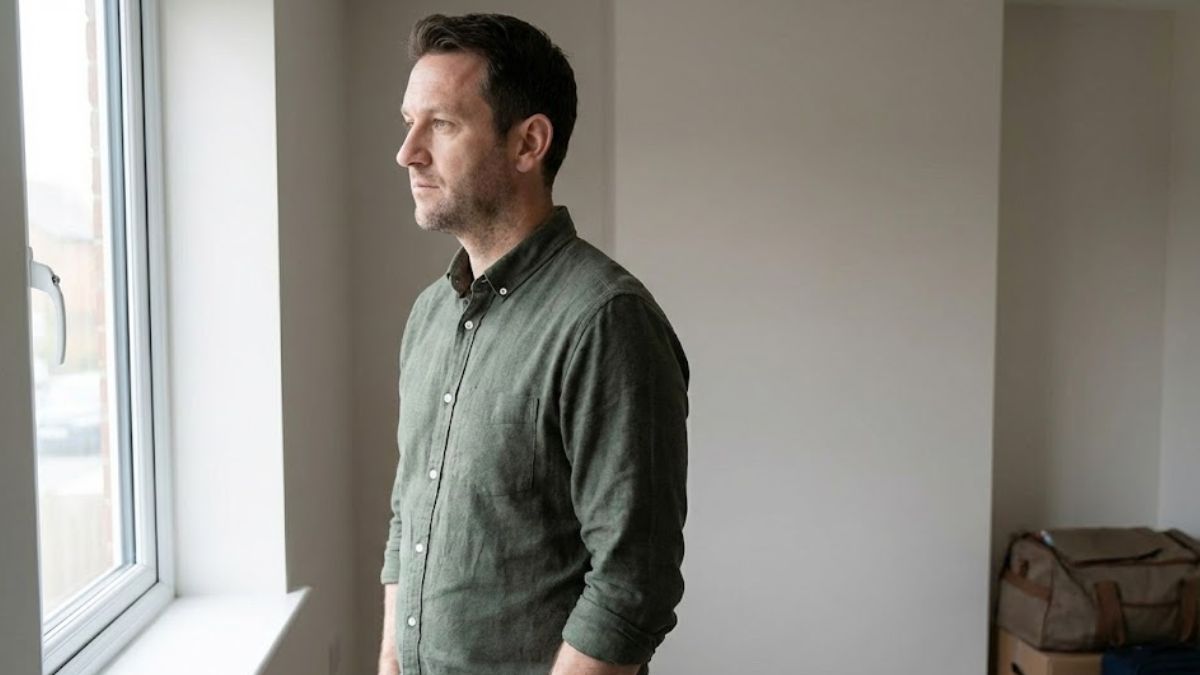
Housing insecurity creates a constant state of high alert. Whether you are sofa surfing, in temporary accommodation, or facing eviction, the lack of a safe base makes it almost impossible to focus on mental health. Support is available to help you find stability.
Effects of Crime.
Being a victim of crime—whether it's assault, burglary, or fraud—shatters your sense of safety. Many men feel angry or "weak" for not being able to prevent it, but these are normal reactions to an abnormal event. Processing the trauma is key to stopping it from ruling your life.
Self-Help Tips for Coping with Life Challenges
While these steps can help improve your ability to cope, they are general suggestions and may not work for everyone.
If struggles persist, consult a professional for tailored advice.
Break It Down
Take one step at a time; avoid getting overwhelmed by the bigger picture.
Seek Financial or Legal Advice
If you're struggling with money or legal issues, get expert guidance to reduce stress.
Maintain a Routine
Keep structure in your day to maintain a sense of control and stability.
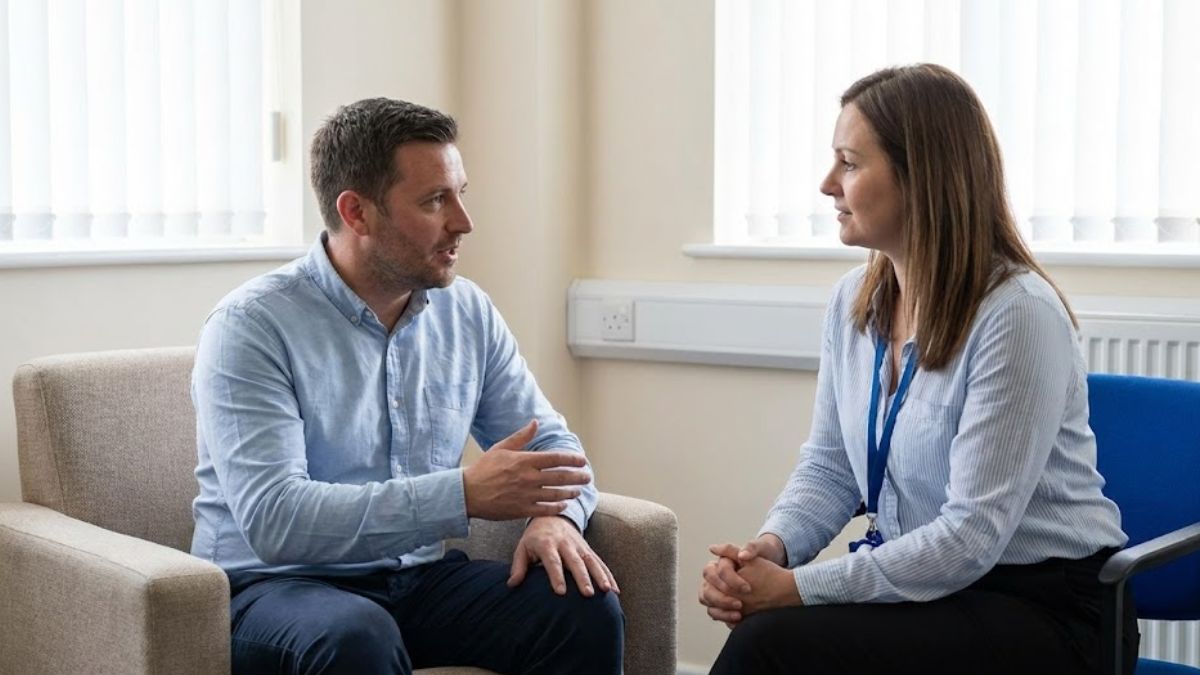
Talk to Someone
Reach out to friends, family, or support groups for emotional support.
Prioritize Self-Care
Exercise, healthy eating, and relaxation can help you cope more effectively.