
Call Samaritans 116 123
Text SHOUT to 85258
Please use the numbers above for urgent support.
Online Therapy.
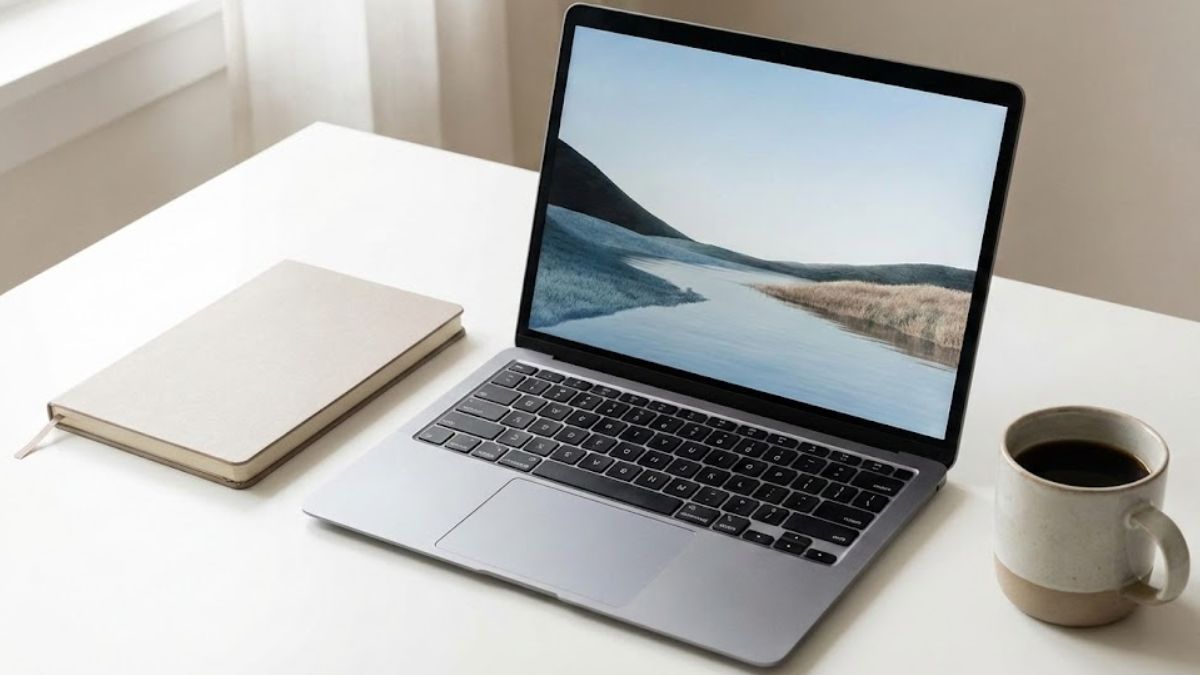
Online therapy is simply professional mental health support delivered through the internet rather than a face-to-face meeting. It uses video calls, voice calls, or text-based chat to provide the same "maintenance" for your mind, just via a different delivery system. It removes the commute and allows you to access support from your own safe environment.
MMH provides information for signposting only. We are not medical professionals. Always consult your GP before starting or stopping any treatment.
What is it?.
Think of online therapy as "remote desktop support" for your mental health. It utilises secure video conferencing software (like Zoom or Teams) or dedicated apps to connect you with a qualified therapist. You cover the same ground as you would in a clinic, but the logistical friction is removed.
It has become a standard tool within the NHS and private sectors, especially following the pandemic. It is not a "lite" version of therapy; it is the full service, just digitised.
Who is this for?
- Men with busy work schedules who can't spare travel time.
- Those living in remote areas with limited local specialists.
- Individuals who feel anxiety about walking into a medical waiting room.
- Anyone requiring flexibility in their maintenance routine.
How it works.
The mechanics are straightforward. Instead of sitting in a consultant's chair, you log into a secure, encrypted platform. The visual and audio cues are still there—you can see your therapist, and they can see you. This allows for the necessary human connection required to troubleshoot issues, spot patterns in your behaviour, and offload stress.
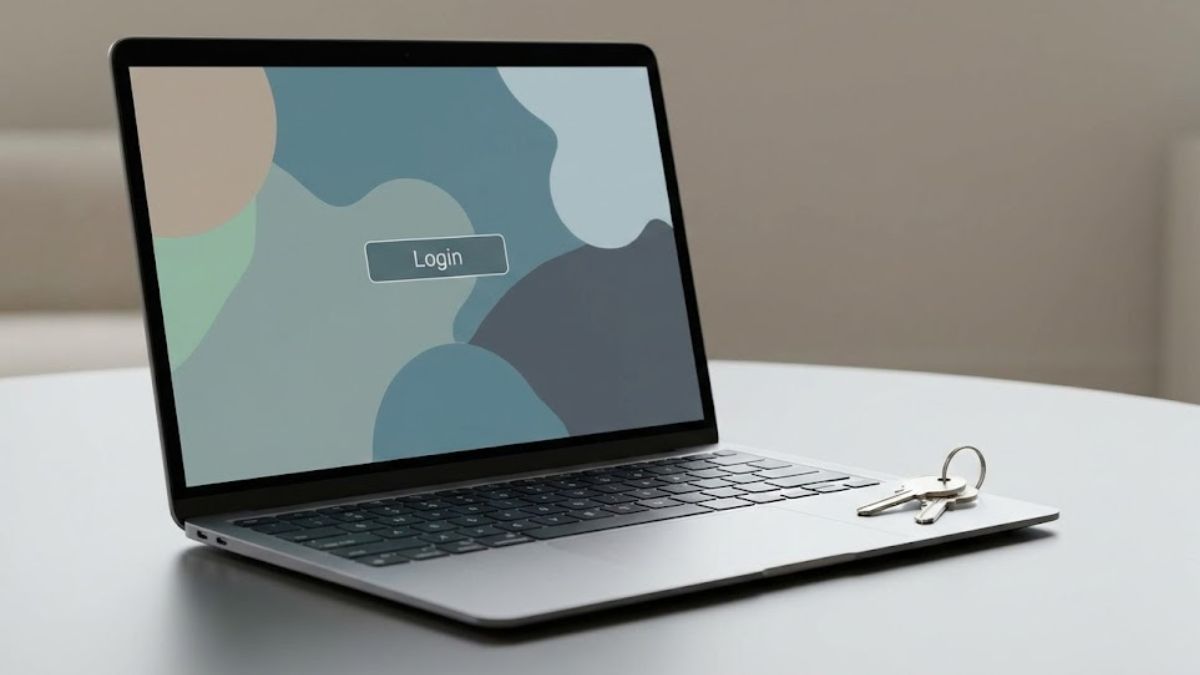
Security is a key component. Professional therapists use HIPAA or GDPR-compliant software, meaning the "line" is secure and your conversation remains confidential, just as it would behind a closed door.
The Goal
The objective is to lower the barrier to entry. By removing the physical travel, you are more likely to attend sessions consistently, ensuring the work gets done and the tools are applied to your life effectively.
Need to speak to a pro?
The NHS offers online talking therapies. You can often refer yourself directly without seeing a GP first.
Find NHS Services →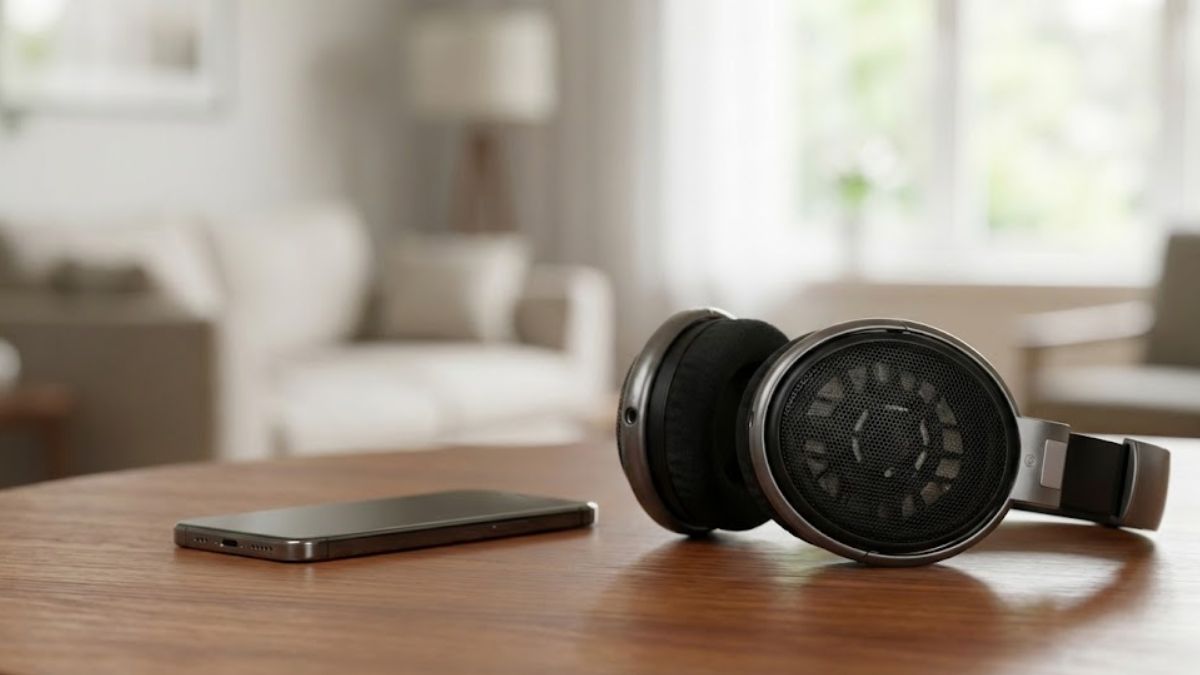
What to expect.
The Setup
You will need a private space where you won't be disturbed—a spare room, a parked car, or even a garden shed often works well. You’ll need a stable internet connection and a device with a camera and microphone. Most men find that wearing headphones helps create a sense of privacy and focus, blocking out the noise of the household.
The Session
Once you click the link, the session runs much like a standard meeting. There will be an initial check-in ("How have things been since we last spoke?"), followed by the core work. If technical glitches happen, don't worry; therapists are used to this and usually have a backup plan, like switching to a phone call.
Timeline
Sessions typically last 50 minutes. Because there is no travel time, you can often fit this into a lunch break or immediately after work, allowing you to switch back to "life mode" quickly afterwards.
Common Myths.
"It’s not as effective as face-to-face."
Studies consistently show that for many conditions, including anxiety and depression, online therapy is just as effective as in-person sessions. The "active ingredient" is the therapeutic relationship, which travels well over video.
"It’s not secure."
Reputable therapists do not use standard social media video apps. They use specialised, encrypted platforms designed for healthcare to ensure your data and conversations are locked down.
"I won't be able to connect emotionally."
It can feel strange for the first five minutes, but the brain adapts quickly. Many men actually find it easier to be honest when they are in their own home environment rather than a clinical office.

Getting started.
NHS Pathway
The NHS "Talking Therapies" services are heavily invested in digital health. When you self-refer or go via your GP, you will often be offered online sessions (video or typed) as a primary option because the waiting lists are often shorter than for in-person clinics.
Private & Apps
Going private offers the most speed and choice. You can choose a therapist who specialises in men's issues specifically. There are also dedicated platforms (like BetterHelp or Talkspace) that operate on a subscription model, offering text-based support alongside video calls, which suits men who prefer writing things down.
Taking the first step.
You don't have to commit to a lifetime of video calls. Try one session. If the tech works for you, it can be a highly efficient way to keep your mental health in check without disrupting your daily schedule.
Create a Private Space
Find a quiet, comfortable area for therapy sessions.
Set Consistent Appointments
Maintain a regular schedule for effective progress.
Engage in Therapy Exercises
Apply techniques learned during sessions to daily life.
Use Journaling
Document thoughts and emotions to track personal growth.
Explore Digital Mental Health Tools
Supplement therapy with mindfulness and CBT apps.