
Call Samaritans 116 123
Text SHOUT to 85258
Please use the numbers above for urgent support.
Bullying.
We often think of bullying as something that gets left behind at the school gates. But for many men, it follows them into the workplace, social circles, or even family life. It isn’t just "banter" if it destroys your confidence, and admitting it is happening doesn’t make you weak. It makes you ready to stop it.
MMH provides signposting only. We do not offer medical advice or crisis intervention.
If you are in crisis, please contact emergency services or a crisis line immediately.

It Didn't End at School.
Understanding Adult Bullying
Bullying in adulthood is often more subtle, psychological, and damaging than the physical confrontation we associate with childhood. It is a repeated pattern of behaviour intended to intimidate, offend, degrade, or humiliate a particular person or group of people.
In the UK workplace, this can look like constant unwarranted criticism, being singled out for trivial mistakes, or being systematically excluded from meetings and social events. It attacks your professional competence and your personal dignity simultaneously.
The hardest part for many men is the stigma. Society tells us we should be able to "handle it" or "fight back." When the aggressor is a boss, a clique of colleagues, or a manipulative family member, fighting back isn't always simple. It leaves you feeling trapped, emasculated, and isolated.
Recognising the Pattern.
Because men are conditioned to be stoic, we often ignore the warning signs until our health begins to crash. You might try to rationalise the behaviour, but your body and mind likely know the score before you admit it to yourself.
Physical Signs
- The "Sunday Dread": Nausea, headaches, or stomach knots appearing specifically before work or interacting with the bully.
- Sleep Disruption: Waking up in the early hours ruminating on past conversations or rehearsing future arguments.
- Fatigue: Feeling physically drained despite not doing heavy physical labour, due to the constant state of "high alert."
Emotional Signs
- Hypervigilance: Constantly checking emails or looking over your shoulder, waiting for the next attack.
- Loss of Confidence: Second-guessing decisions you used to make easily.
- Misplaced Anger: Snapping at your partner or children because you cannot express your frustration at the source.

Don't Face It Alone
Workplace and adult bullying is a serious issue that often requires professional guidance on your rights and options. The National Bullying Helpline provides advice for both adults and children.
Get Professional Help (National Bullying Helpline) →
The 'Banter' Trap.
When a Joke Isn't a Joke
One of the most common tools in the adult bully's arsenal is the phrase: "Can't you take a joke?" This is a form of gaslighting designed to shift the blame from their aggression to your reaction. It frames you as 'too sensitive' or 'weak' for not accepting abuse as humour.
There is a distinct line between camaraderie and cruelty. Banter builds a bond; bullying destroys it. If the 'joke' relies on your humiliation, or if it continues after you've asked for it to stop, it is harassment.
The Digital Aspect
Adult bullying has also moved online. Being excluded from team WhatsApp groups, receiving passive-aggressive emails copied to management, or being targeted on social media are all modern forms of exclusion that ensure you never feel safe, even when you are off the clock.
The Ripple Effect.
Bullying doesn't stay contained in the office or the social club. It bleeds into every aspect of your life. When your professional worth is constantly attacked, your self-esteem at home often crumbles with it.
Many men report a loss of libido, withdrawal from hobbies they used to love, and a strain on their marriages. You might find yourself shutting down emotionally to protect yourself, but this creates distance from the people who actually care about you.
Financially, the impact can be severe. Men often leave jobs without a backup plan just to escape the abuse, or they are managed out of roles, leading to sudden income instability and the stress that comes with it.

Reclaiming Your Space.
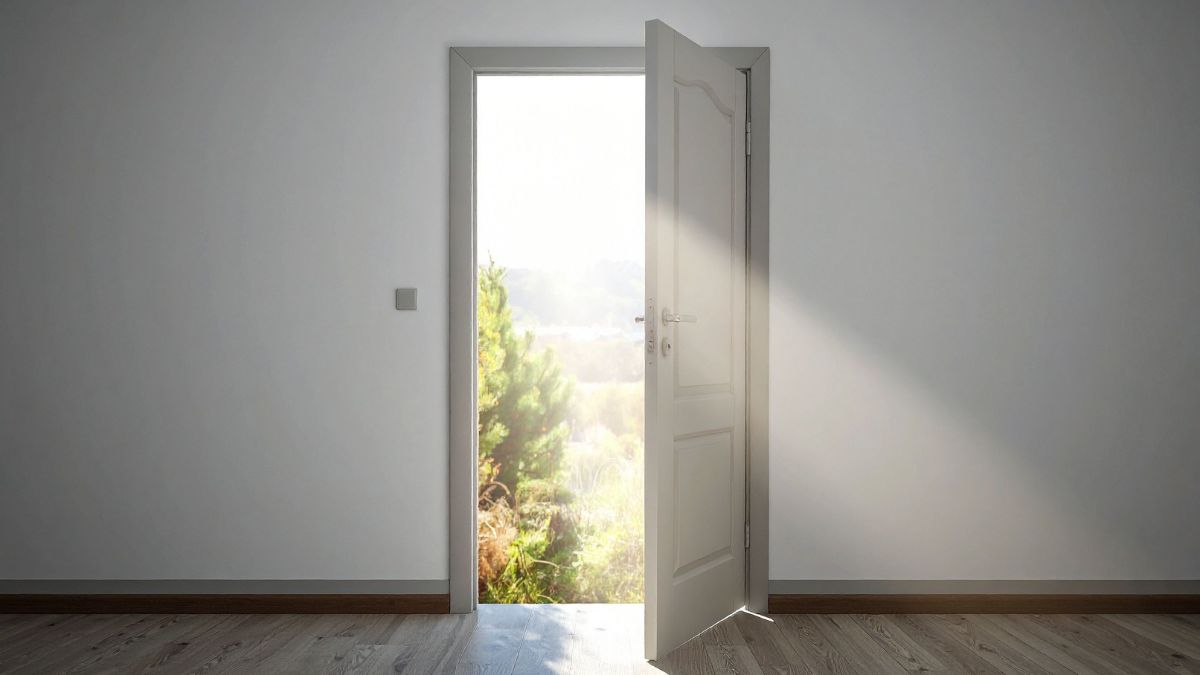
The most important thing to realise is that bullying is rarely about your inadequacy; it is almost always about the bully's insecurity and need for control. Understanding this dynamic is the first step in taking your power back.
You have rights. In the workplace, you have policies and laws (such as the Equality Act 2010 if the bullying is discriminatory) to protect you. In social circles, you have the right to walk away.
Recovery is possible. By documenting behaviour, seeking support, and strictly enforcing boundaries, you can dismantle the hold the bully has over you. This experience, while painful, often teaches men invaluable lessons about self-worth and the importance of surrounding themselves with respect.
Taking Action.
You do not have to accept this treatment. While every situation is unique, there are practical steps you can take today to protect your mental health and build a case for change.
Recognize & Acknowledge
Accept that you are being bullied and that it’s not your fault. Recognizing the situation is the first step toward seeking help.

Seek Support
Reach out to trusted friends, family members, or a counselor to share your experiences.

Set Boundaries
If possible, calmly and firmly communicate to the bully that their behavior is unacceptable.
Practice Self-Care
Engage in activities that boost your self-esteem, such as exercise, hobbies, or relaxation techniques.

Document the Bullying
Keep a record of incidents, especially if it occurs in the workplace or online. This documentation can be helpful if you need to report the behavior.