
Call Samaritans 116 123
Text SHOUT to 85258
Please use the numbers above for urgent support.
Anger.
We’ve all felt the red mist descend. Anger is a raw, powerful emotion, and despite what you might think, it isn’t inherently "bad." It’s a natural survival mechanism designed to protect us. But for many men, anger becomes the default setting—a mask for hurt, a reaction to stress, or a habit that feels impossible to break. If your fuse is short and the explosions are costing you peace of mind or relationships, you aren’t broken. You just need better tools to manage the heat.
Note: MMH provides peer support information and signposting, not clinical psychiatric advice. If you feel you are a danger to yourself or others, please seek urgent professional help.
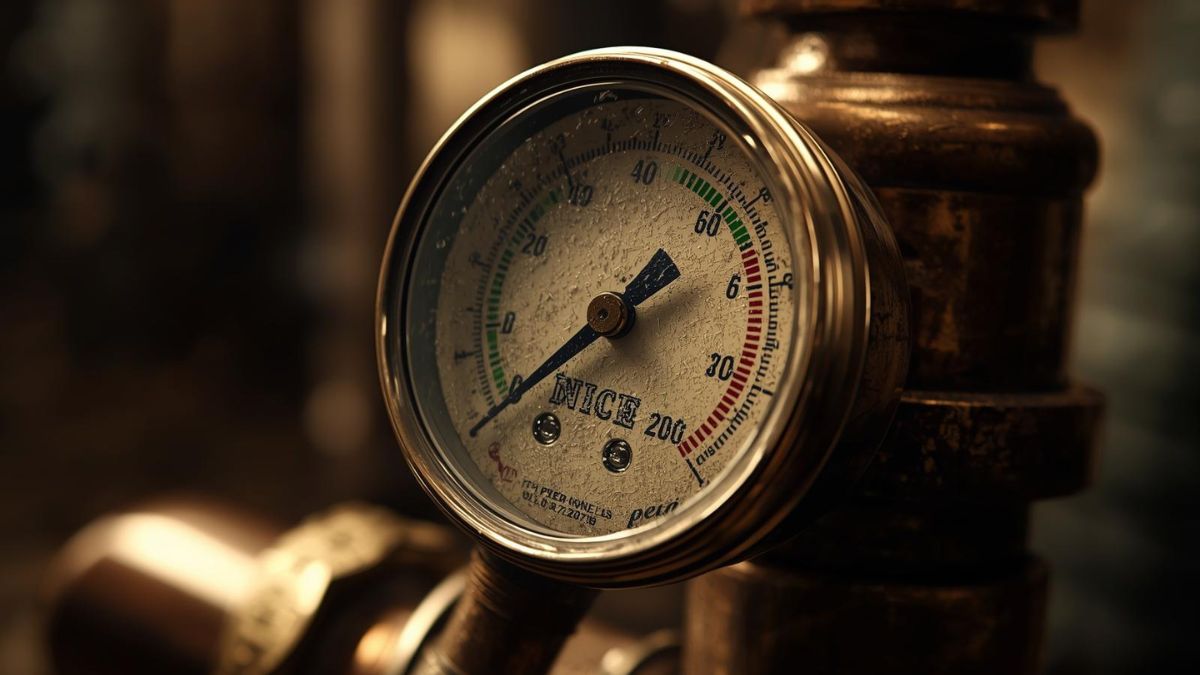
Understanding the Red Mist.
It’s Not Just "Having a Temper"
Anger is often referred to as the "fight" part of the "fight or flight" response. When your brain perceives a threat—whether that’s a physical danger, an insult to your ego, or just the frustration of a traffic jam—it floods your body with adrenaline and cortisol. You are primed for action.
In the modern world, we rarely need to fight off predators, but our biology hasn’t caught up. That surge of energy has nowhere to go. For men, anger can feel empowering in the moment; it provides a false sense of control when everything else feels chaotic. The problem arises when this survival instinct misfires, treating a spilled coffee or a nagging partner like a life-or-death threat.
Recognising the Surge.
Anger rarely strikes without warning. There is almost always a "build-up" phase, even if it happens in seconds. Learning to spot these physiological and emotional cues is the first step in stopping the explosion before it happens.
Physical Signs
- The Heat: A sudden rise in body temperature or flushing of the face.
- The Tension: Clenching your jaw, grinding teeth, or fists balling up automatically.
- The Racing Heart: A pounding chest or a feeling of "tightness" in the stomach.
- Tunnel Vision: Becoming hyper-focused on the threat and unable to see the wider context.
Emotional Signs
- Irritability: Feeling like everyone around you is moving too slowly or purposefully being difficult.
- Resentment: A simmering feeling of being treated unfairly or disregarded.
- Humiliation: Often, anger is a defensive shield against feeling embarrassed or small.
Need to blow off some steam?
Talking helps lower the pressure. Connect with other men who understand the frustration in a judgement-free environment.
Find a Local Group →
The Anger Iceberg.
The Emotion That Hides Everything Else
In male culture, sadness, fear, and hurt are often labelled as "weakness." Anger, however, is frequently socially acceptable—it looks strong. This leads to what psychologists call the "Anger Iceberg."
Anger is the tip of the iceberg—the bit everyone sees above the water. But submerged underneath, there is usually a massive block of other emotions: shame, grief, exhaustion, loneliness, or insecurity. We use anger as a bodyguard for these softer feelings. If you find yourself constantly angry, it’s worth asking: "What feeling is this anger trying to protect me from?"
The Cost of Losing Control.
While anger might feel good in the split second you release it, the aftermath is rarely positive. Chronic anger wears down your physical health, contributing to high blood pressure, heart disease, and a weakened immune system. It’s physically exhausting to be mad all the time.
Socially, the cost is even higher. Unchecked anger erodes trust. Partners walk on eggshells, children become fearful, and colleagues distance themselves. It can lead to a lonely existence where people avoid you not out of respect, but out of self-preservation. Realising this isn’t about guilt; it’s the motivation to change.

Anger as Energy.
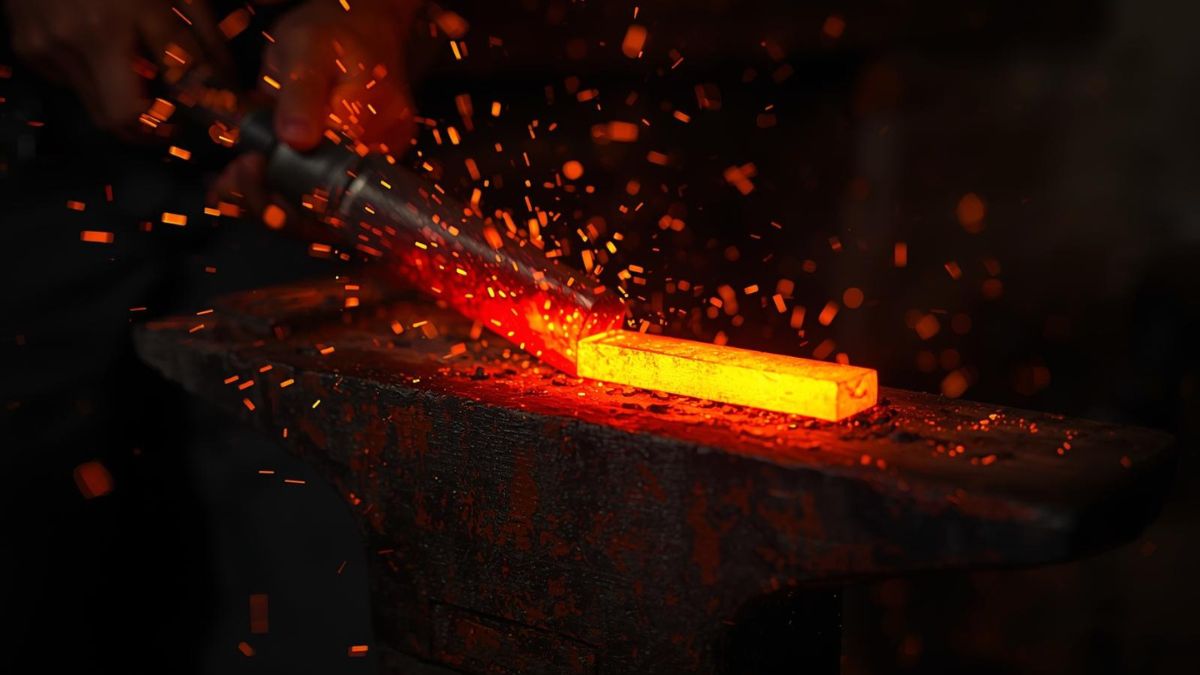
Here is the good news: if you have the capacity for great anger, you have a high energy drive. The goal isn’t to lobotomise yourself or never feel annoyance again. The goal is to channel that fire.
Managed anger is simply determination. It is the energy required to change a situation you aren’t happy with, to defend those who need it, or to push through a physical barrier in training. You can learn to catch the spark, put it in a lantern, and use it to light your way forward, rather than letting it burn the house down. Neuroplasticity means your brain can unlearn the "rage habit" and forge new, calmer pathways.
5 Ways to Cool the Engine.
You don't have to be a slave to your temper. Here are five practical strategies to help you regain control when the red mist threatens to descend.
Identify Your Triggers
What situations or people typically set you off? Once you know what pushes your buttons, you can start to avoid them or develop coping mechanisms.

Take a Time Out
Feeling the anger rise? Before you say or do something you'll regret, take a step back. Go for a walk, take some deep breaths, count to ten – whatever helps you cool down.

Express Yourself Clearly
Once you've calmed down, talk about what's bothering you. Use "I" statements to explain how the situation makes you feel, and focus on finding a solution. Shouting won't get you anywhere.

Find Healthy Outlets
Exercise, journaling, or creative hobbies can be great ways to release pent-up frustration in a healthy way.

Consider Therapy
A therapist can teach you relaxation techniques and communication skills to help you manage your anger more effectively.