
Call Samaritans 116 123
Text SHOUT to 85258
Please use the numbers above for urgent support.
Art & Music Therapy.
Sometimes, there simply aren't words for what you are going through. For many men, trying to articulate trauma, depression, or anxiety feels like trying to explain colour to someone who has never seen it. Art and music therapy aren't about becoming the next Picasso or Mozart; they are practical tools to bypass the "thinking" brain and access the "feeling" brain. It is about getting the pressure out of your system when talking just isn't cutting it.
Disclaimer: MMH provides signposting and peer support information, not medical diagnosis or clinical therapy advice. If you are in crisis, please seek professional help.
Not sure where to turn? See urgent support options ↓

Bypassing the Logic Trap.
More Than Just a Hobby
Men are often conditioned to solve problems using logic. We analyse, we strategize, and we try to "fix." However, mental health struggles like trauma, anxiety, or deep depression often reside in parts of the brain that logic can't easily reach. Art and music therapy act as a backdoor to the subconscious.
These therapies use creative expression to access feelings that are stuck or buried. When you drum, draw, paint, or listen to specific frequencies, you engage the right side of your brain. This allows you to process heavy emotions physically and visually, rather than just intellectually, providing a release valve that conversation sometimes cannot provide.
Signs This Might Help You.
You don't need a diagnosis to benefit from creative therapy. However, if traditional talk therapy feels like hitting a brick wall, this approach might be the key. Here are signs that a non-verbal approach could be effective.
The "Stuck" Feeling
- You feel angry or sad but can't explain why to a partner or therapist.
- You find yourself zoning out or dissociating when trying to talk about feelings.
- You feel physical tension in your chest or hands that needs a physical outlet.
The Logic Loop
- You can perfectly describe your problems, but you don't feel any better.
- You are tired of "talking about it" and want to "do" something.
- You respond deeply to music (e.g., a certain song instantly changes your mood or makes you well up).

Find Your Tribe
Many local men's groups use creative outlets, music, or woodwork to help men connect without the pressure of face-to-face conversation. Find a group near you.
Find a Local Group →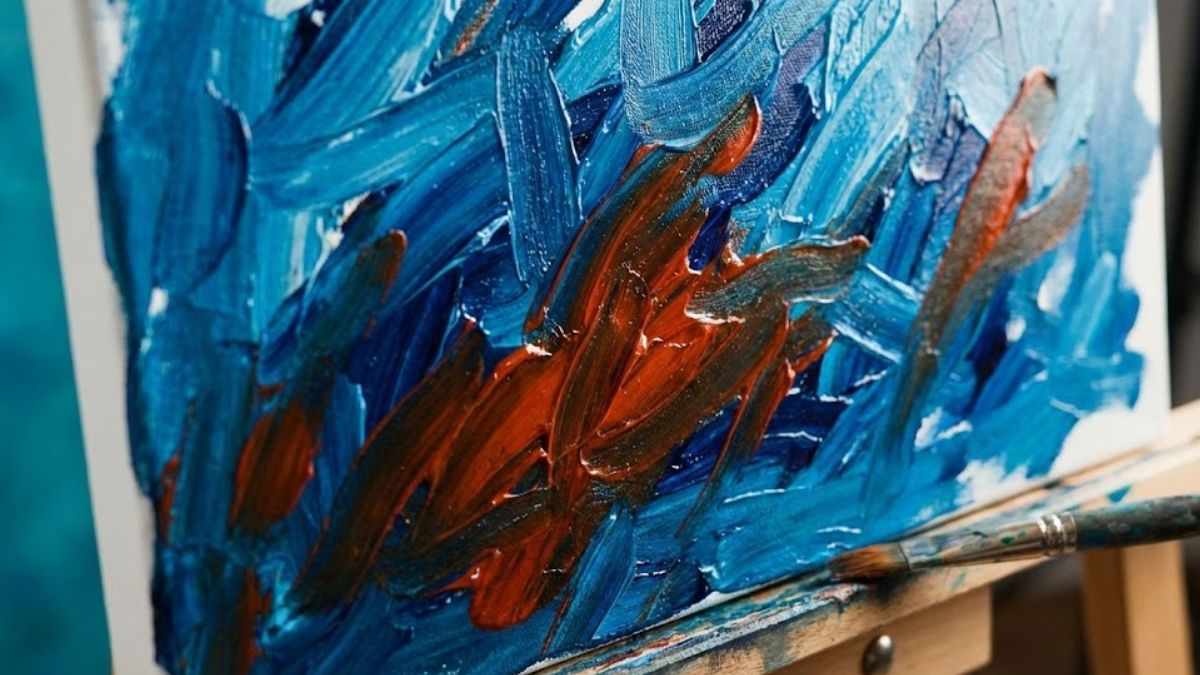
Breaking the Myths.
"I'm Not Creative"
The biggest barrier for men entering art or music therapy is the fear of judgment. There is a misconception that you need to be talented for this to work. That is false. In a therapeutic setting, the aesthetic quality of what you produce is irrelevant.
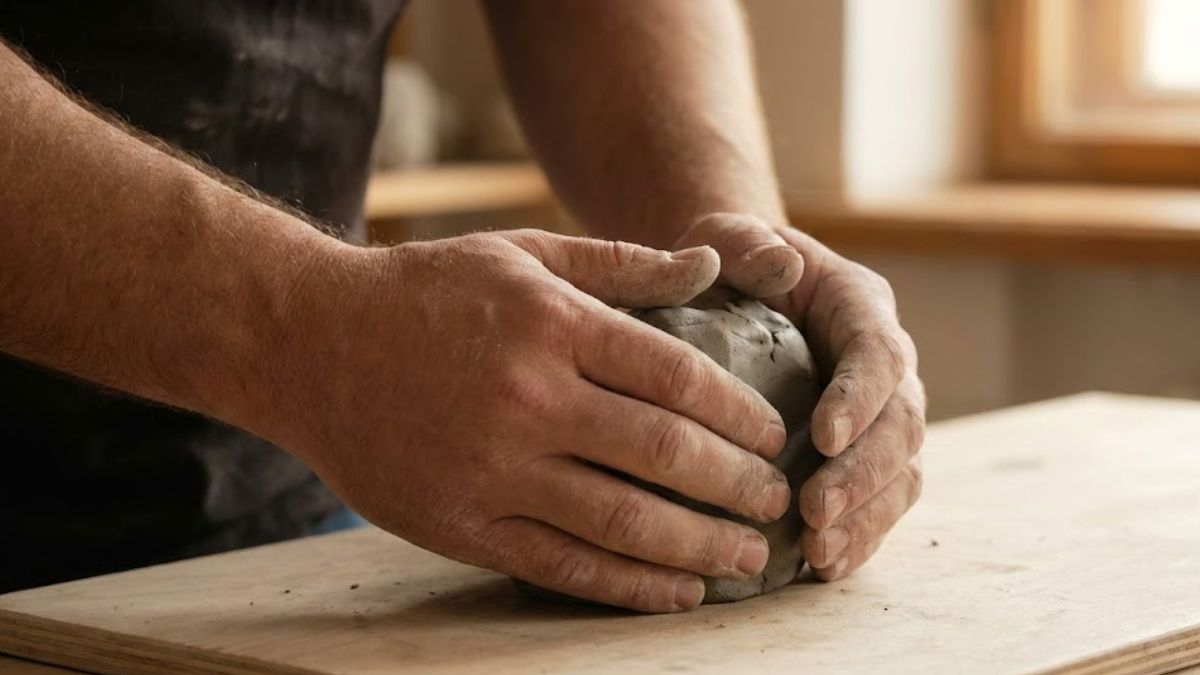
It is about the process, not the product. Smash the clay, scribble aggressively with charcoal, or hit the drums as hard as you can. The goal is externalising what is internal. If you can hold a pencil or tap a rhythm, you are qualified to participate. It is not an art class; it is a mental health strategy.
Real World Impact.
Engaging in these alternative treatments can have profound effects on your daily life. It acts as a regulator for the nervous system. For men dealing with high stress or PTSD, the act of creating lowers cortisol levels and increases dopamine.
Furthermore, it gives you a physical object or sound that represents your struggle. Once a problem is on a piece of paper or turned into a sound, it is outside of you. It becomes something you can look at, manage, and eventually, put away. It provides distance and perspective that is hard to achieve when the thoughts are racing inside your skull.

Rewiring the Brain.
The brain is capable of incredible change, known as neuroplasticity. Art and music therapy are powerful drivers of this change. By engaging new neural pathways through creativity, you can actually "overwrite" knee-jerk reactions to stress.
Men who engage in these therapies often report feeling lighter, more grounded, and surprisingly, more articulate. By clearing the emotional fog through creativity, they find the words they were looking for. It is a stepping stone to better communication and a calmer life.
Simple Ways to Start.
You don't need to hire a private therapist to start feeling the benefits of creative expression today. Here are five low-pressure ways to introduce these concepts into your routine.
Create Art Regularly
Painting, drawing, or crafting can be a therapeutic routine.
Listen to Music Mindfully
Engage with lyrics and melodies that uplift your mood.
Write in a Journal or Compose Poetry
Helps process emotions through words.
Engage in Movement or Dance
Express feelings physically to relieve tension.
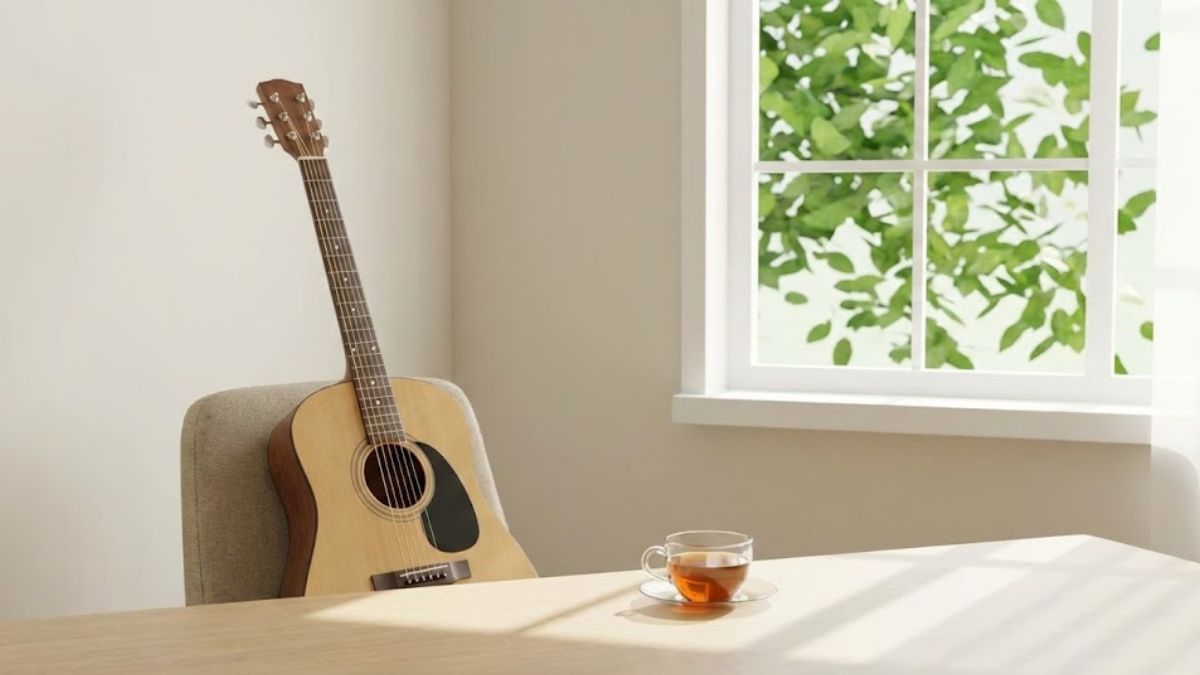
Try Playing an Instrument
Learning music can boost cognitive and emotional well-being.