
Call Samaritans 116 123
Text SHOUT to 85258
Please use the numbers above for urgent support.
Health & Lifestyle.
There is an undeniable link between the body and the mind. Often, mental health struggles manifest physically, or conversely, physical health issues can become the catalyst for emotional distress. This section covers common health challenges that disproportionately affect men or are frequently overlooked, providing a starting point for understanding how your physical well-being impacts your mental state.
Disclaimer: MMH provides signposting and educational resources only. We do not offer medical advice. If you are concerned about a physical symptom, please consult a GP or medical professional.
Jump to: Sleep Apnea | Eating Disorders | Sleep Disorders | Insomnia | Sleep Deprivation
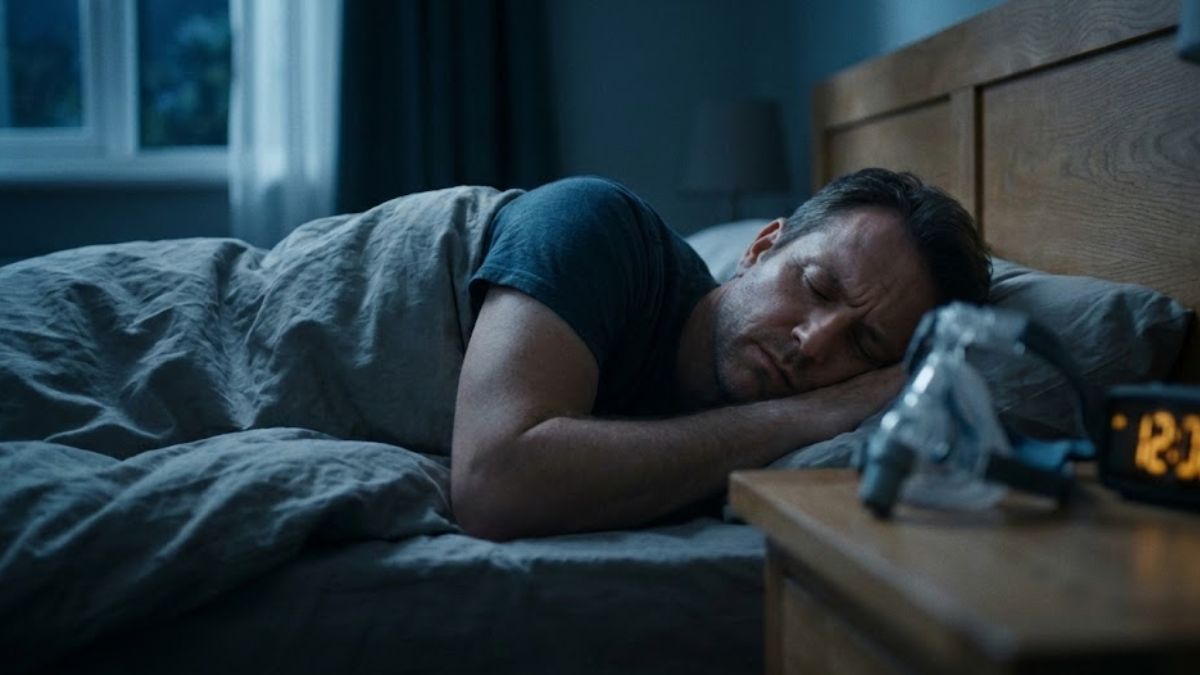
Sleep Apnea.
Sleep apnea is more than just loud snoring; it is a serious condition where breathing stops and starts repeatedly during sleep. It is heavily linked to depression and fatigue in men, often going undiagnosed for years while silently eroding mental resilience.
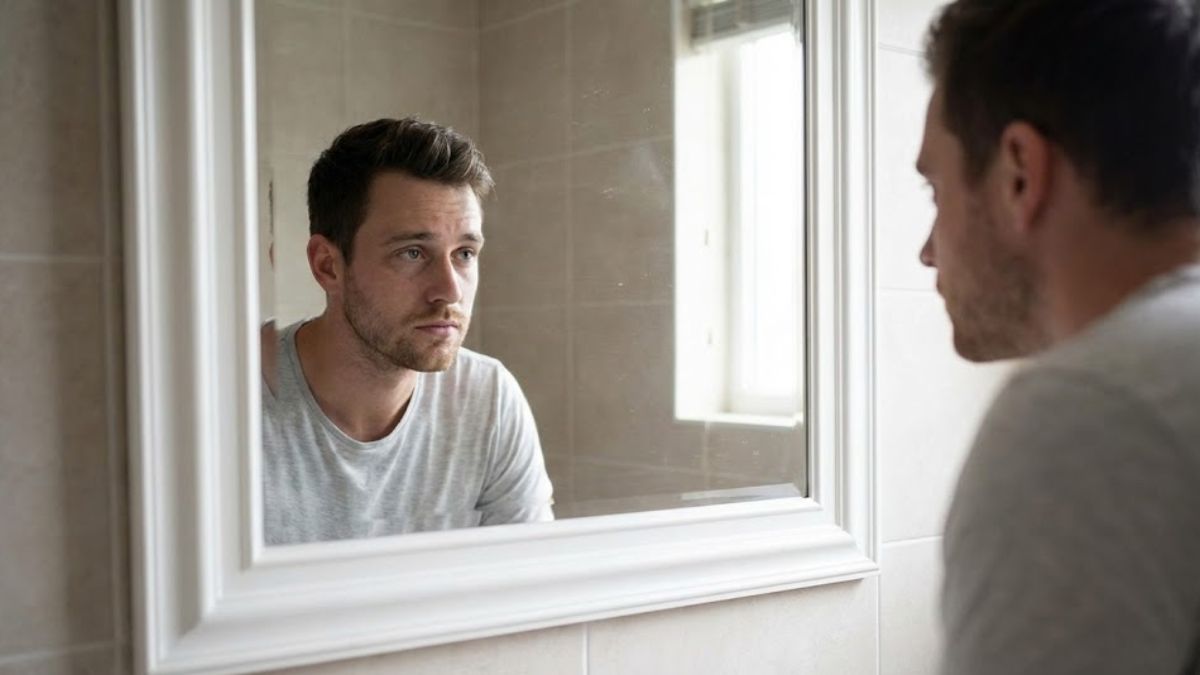
Eating Disorders.
Often mistakenly viewed as a female-only issue, eating disorders affect a significant number of men, manifesting as anorexia, bulimia, or muscle dysmorphia ("bigorexia"). The pressure to achieve a specific body type can lead to dangerous cycles of control and shame that require professional support to break.
Can't find what you're looking for?.
Our support directory lists hundreds of local groups, from sport-based clubs to walk-and-talk meetups.
Browse All Groups →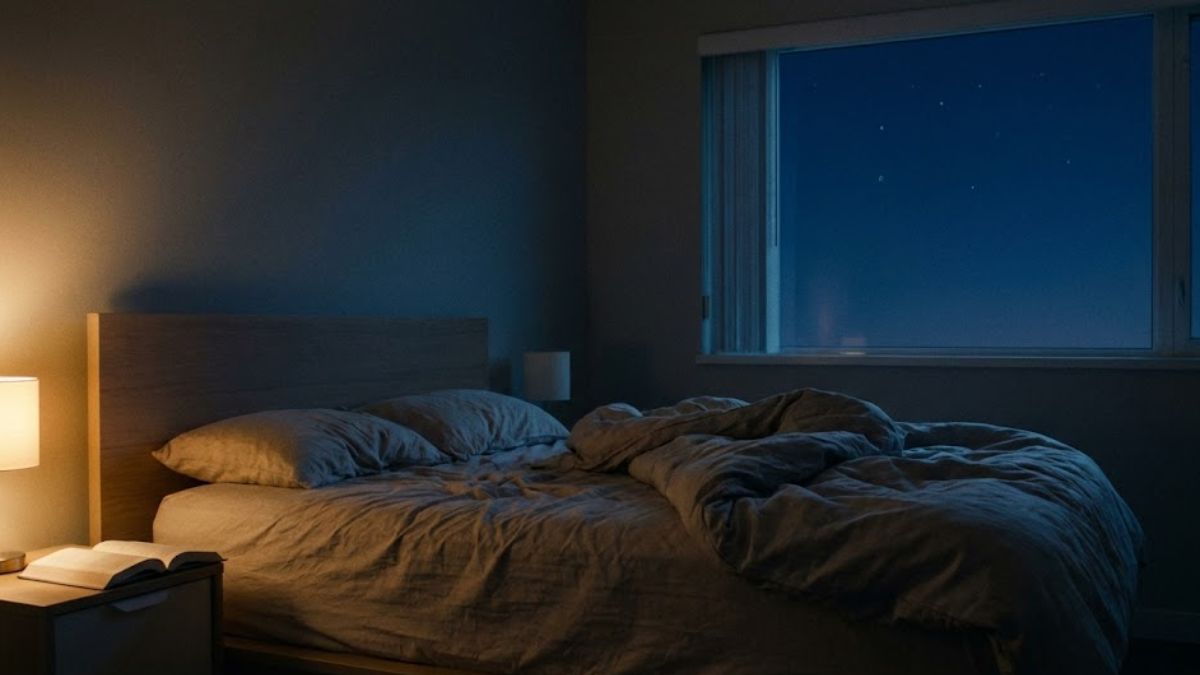
Sleep Disorders.
Sleep is the foundation of emotional regulation, yet many men view sleep deprivation as a badge of honour. This section explores the broader spectrum of sleep issues that prevent restorative rest, impacting everything from your testosterone levels to your ability to cope with daily stress.
Insomnia.
Insomnia is the persistent difficulty in falling or staying asleep, leaving you exhausted and mentally foggy. It often creates a vicious cycle where the anxiety about not sleeping makes it even harder to drift off, requiring specific strategies to reset your body clock.

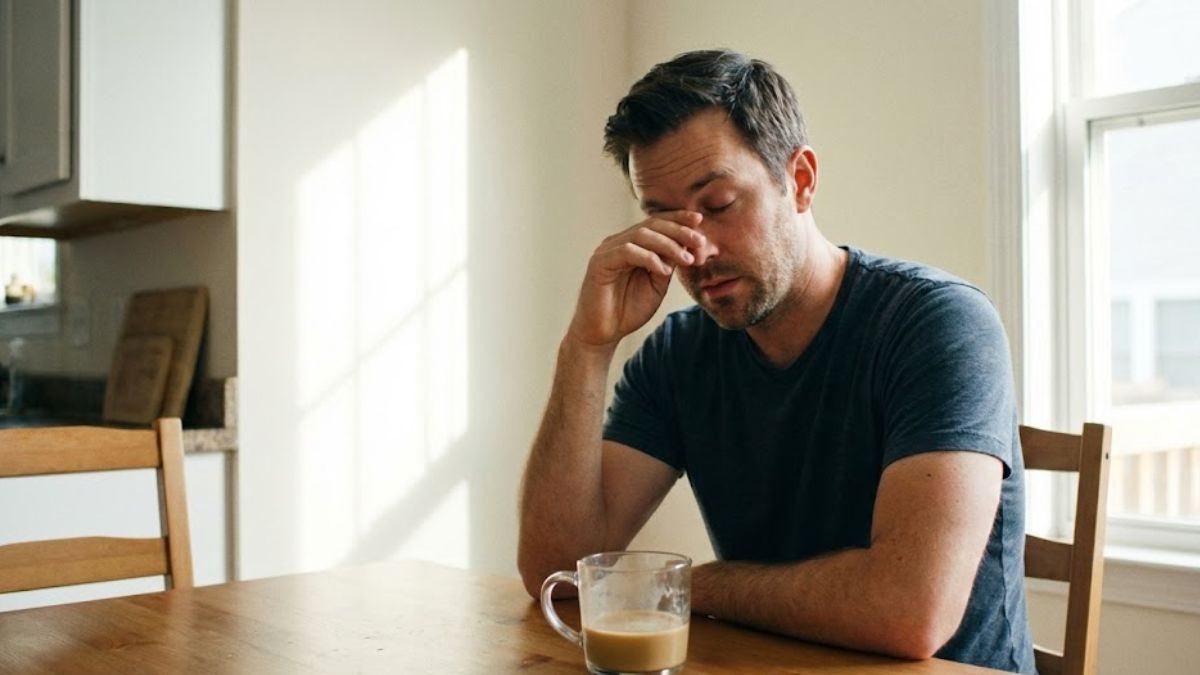
Sleep Deprivation.
Unlike insomnia, sleep deprivation is often a result of lifestyle choices or external circumstances that shorten your sleep window. Chronic lack of sleep is linked to serious long-term health risks and immediate mood volatility, making it a critical area to address for mental stability.
Self-Help Tips for Better Physical & Mental Health
While these steps can help improve your overall well-being, they are general suggestions and may not work for everyone.
If struggles persist, consult a healthcare professional for personalized guidance.
Prioritize Sleep
Stick to a consistent sleep schedule and create a relaxing bedtime routine.
Stay Active
Exercise regularly to boost mood and reduce stress.
Eat a Balanced Diet
Focus on nutrient-rich foods to support brain and body function.
Limit Alcohol & Unhealthy Habits
Reduce consumption of alcohol, smoking, and processed foods.
Manage Stress
Practice meditation, deep breathing, or relaxation techniques.