
Call Samaritans 116 123
Text SHOUT to 85258
Please use the numbers above for urgent support.
Porn Addiction.
If you are reading this, you might be feeling a heavy mix of shame, frustration, or exhaustion. You are not alone in this. In a digital world designed to capture our attention, pornography has become a "super-stimulus" that can hijack the brain’s reward system. It isn't about being a "bad" person or lacking morals; it is often about a brain that has learned to cope with stress, boredom, or loneliness in a specific, compulsive way. The good news is that the brain is plastic—it can relearn, reset, and recover.
MMH provides signposting and peer support information, not medical diagnosis. If this behaviour is severely impacting your life, professional support is recommended.
Understanding the Compulsion.
It’s Not Just About "High Drive"
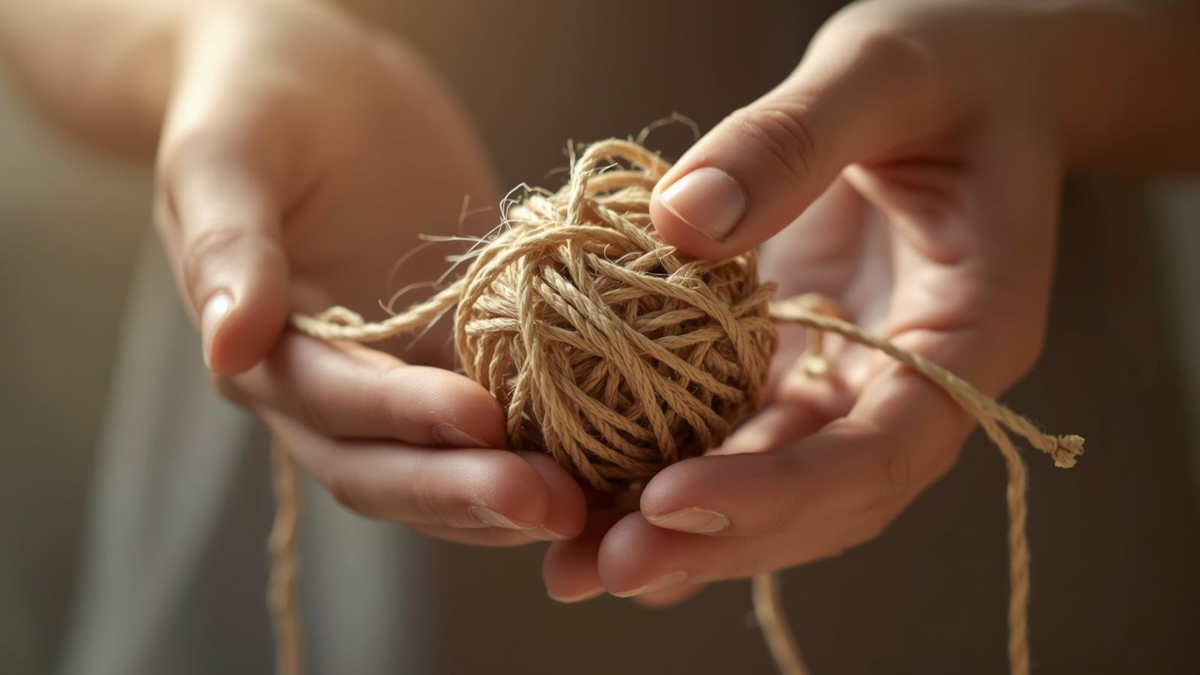
There is a distinct difference between watching pornography and having an addiction to it. Addiction is defined not just by frequency, but by compulsion and consequence. It is when the urge to view content overrides your values, your schedule, and your relationships. You may find yourself promising to stop or cut down, only to find yourself back in the same loop a few days—or hours—later.
Modern pornography is limitless, novel, and free. This creates a perfect storm for the male brain, which is evolutionarily wired to seek out reproductive opportunities. When you fall into the addiction trap, you aren't just "watching a video"; you are engaging in a dopamine feedback loop that numbs you to real-life pleasures and leaves you chasing a high that becomes harder and harder to reach.
Recognising the Signals.
Because this addiction often happens in secret, it can be hard to gauge if you have "crossed the line." However, both your body and your mind will usually give you warning signs that the habit is taking a toll.
Physical Signs
- Porn-Induced Erectile Dysfunction (PIED): An inability to maintain an erection with a real partner, despite being able to do so with a screen.
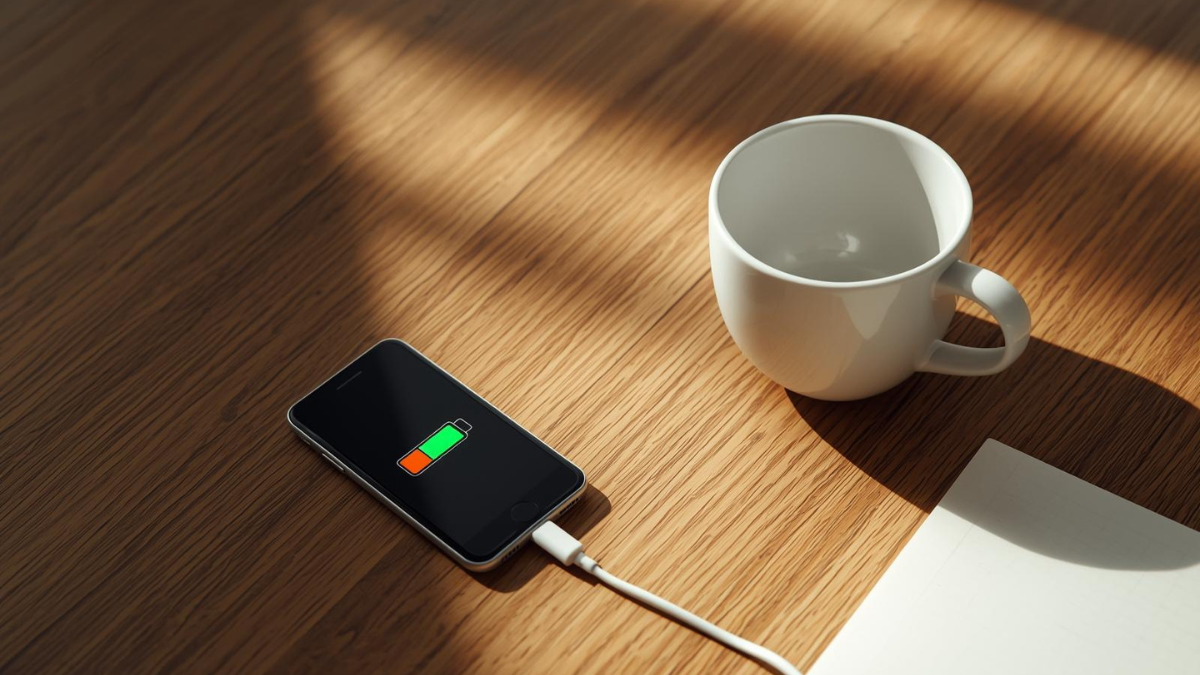
- Fatigue and Brain Fog: Feeling constantly drained or unable to focus due to late-night viewing sessions.
- Desensitisation: Needing increasingly extreme, violent, or taboo content to feel the same level of arousal.
Emotional Signs
- The Cycle of Shame: Feeling intense guilt, regret, or self-loathing immediately after viewing.
- Isolation: Withdrawing from social events or partners to make time for viewing, or because you feel you have a "secret life."
- Irritability: Feeling restless, anxious, or angry when you cannot access pornography or try to stop.
Break the Cycle of Secrecy
You do not have to fight this battle in isolation. There are communities of men who have walked this path and found freedom. SAA UK provides a safe space to start your recovery.
Get Professional Help (SAA UK) →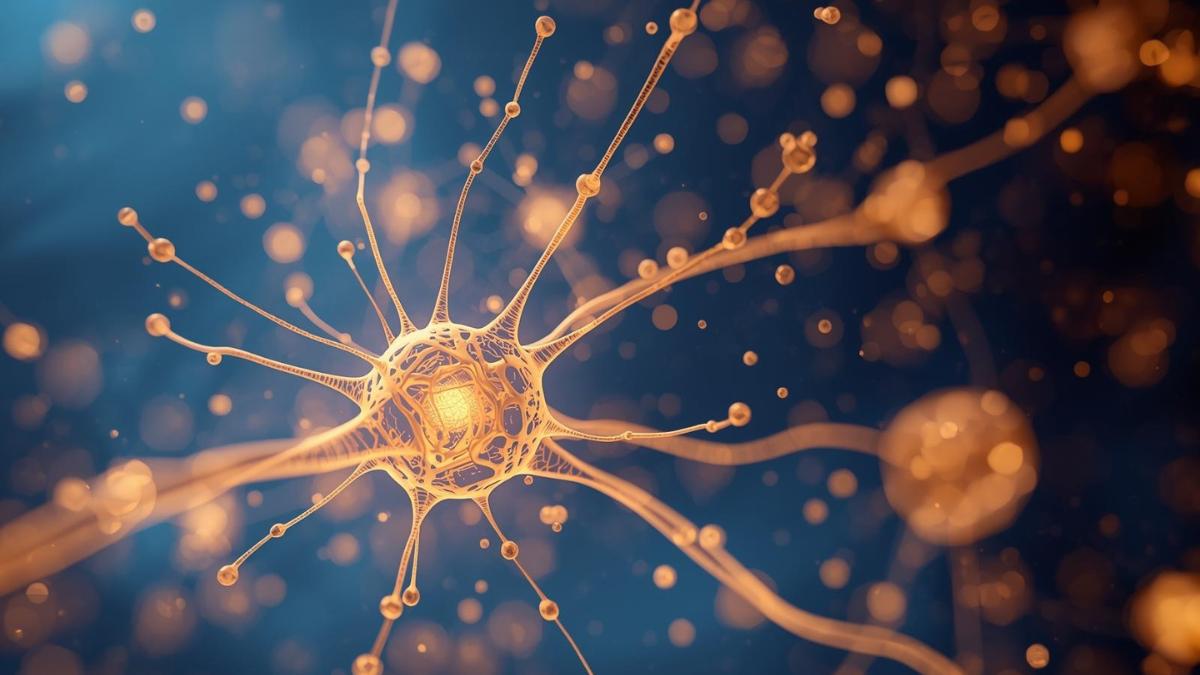
The Science of the Hook.
It’s a Chemical Hook, Not a Moral Flaw
To understand why it is so hard to stop, you have to understand dopamine. This neurotransmitter drives motivation and reward. When you view high-speed, novel internet pornography, you flood your brain with a level of dopamine that nature never intended. It is a "super-stimulus."
Over time, your brain adapts by reducing its dopamine receptors to protect itself from the flood. This is called downregulation. The result? Normal life—a sunset, a good meal, real intimacy—starts to feel dull or boring. You need the "super-stimulus" just to feel normal. Understanding this biological mechanism is crucial because it helps you realise that you are fighting a chemical reaction, not just a lack of willpower.
The Ripple Effect.
The impact of porn addiction rarely stays behind a closed door; it bleeds into the rest of your life. The most profound damage is often done to real-world relationships. Partners may feel inadequate, unloved, or betrayed if the addiction is discovered, leading to a breakdown in trust that is hard to repair.
Beyond relationships, there is the "flattening" of life. This is often called anhedonia—the inability to feel pleasure in everyday activities. You might find your motivation for work slipping, your interest in hobbies vanishing, and your general zest for life replaced by a numbness that only lifts temporarily when you are in front of a screen.


Your Brain Can Heal.
Here is the most important takeaway: your brain is neuroplastic. It is not fixed in this state forever. Just as it learned to depend on this stimulus, it can unlearn it. Thousands of men have successfully "rebooted" their lives.
When you stop the constant bombardment of super-stimuli, your dopamine receptors begin to regenerate. Sensations return. The "brain fog" lifts. Real intimacy becomes exciting again. The journey out of the fog is challenging, and withdrawal is real, but the clarity and freedom waiting on the other side are worth every step.
Steps Toward a Reboot.
Recovery is not about simply "trying harder" to not look; it is about building a life where you no longer need to look. It requires strategy, honesty, and often, a change in environment. Here are practical ways to begin breaking the loop today.

Acknowledge the Problem
The first and most important step is to admit that you have an issue. Denial can keep you stuck, but accepting that porn is negatively affecting your life is key to starting recovery.

Set Clear Boundaries
Limit or block access to pornographic material by using apps, filters, or setting personal boundaries around device usage. Create environments where it's harder to access porn.

Seek Professional Help
Consider working with a therapist, especially one who specializes in addiction or sexual health. Cognitive Behavioral Therapy (CBT) can be highly effective in addressing compulsive behaviors.
Develop Healthy Habits
Replace the time and energy spent on porn with healthier activities such as exercise, hobbies, or social interactions. Building positive habits helps fill the void left by porn and reduces cravings.

Join Support Groups
Connecting with others who are facing similar struggles can be incredibly supportive. Groups like NoFap and Sex Addicts Anonymous (SAA) offer peer support and accountability.