
Call Samaritans 116 123
Text SHOUT to 85258
Please use the numbers above for urgent support.
Sleep Deprivation.
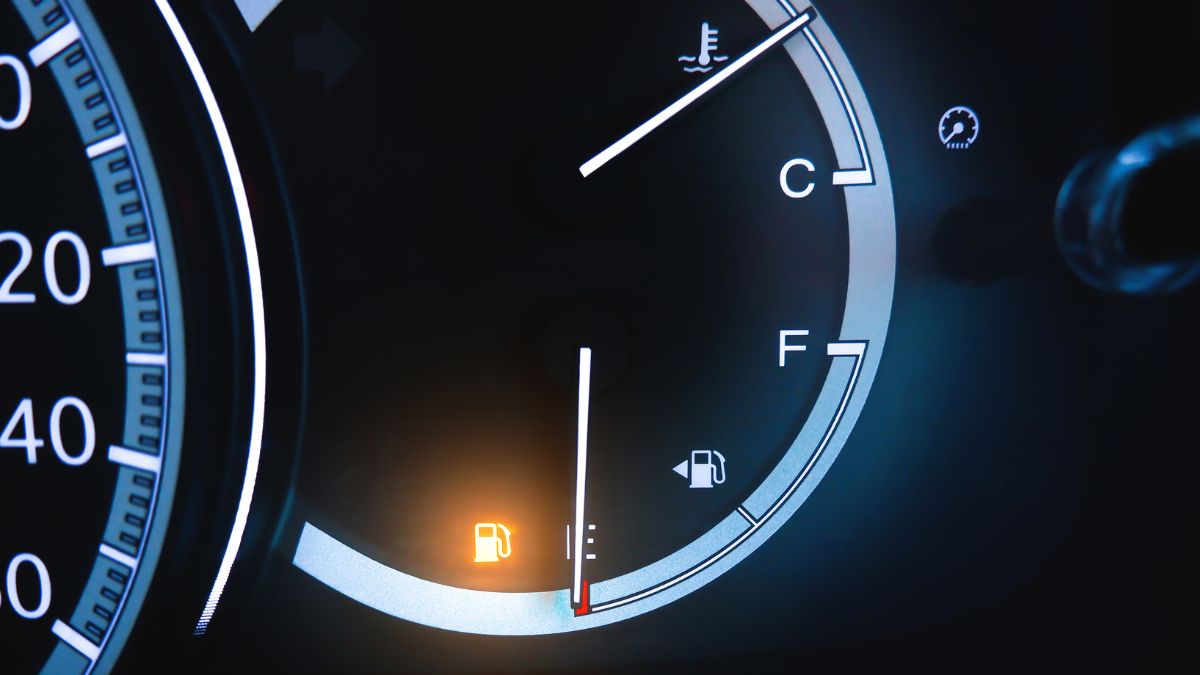
Most men view sleep as a luxury they can trade for more work hours or late-night downtime. We treat it like a credit card we can pay off later. But sleep deprivation is more than just feeling tired; it is a chronic biological debt that fundamentally alters how you think, feel, and function. If you are running on empty, you aren't just exhausted—you are operating at a fraction of your potential.
MMH provides signposting only. We do not offer medical advice or crisis intervention.
If you are in crisis, please contact emergency services or a crisis line immediately.

The Invisible Debt.
It’s not just about "catching up" later.
Sleep is the foundation of your mental and physical architecture. When you skip it, you aren't just losing hours; you are skipping the essential maintenance work your brain needs to clear out toxins and process emotions. In the UK, we often wear sleeplessness as a badge of honour, a sign that we are working harder than the next guy. In reality, chronic lack of sleep mimics the effects of alcohol intoxication on the brain.
This creates a vicious cycle. You sleep less to get more done, but you become less efficient, so tasks take longer, pushing your bedtime back further. Over time, this "sleep debt" accumulates, leaving you physically present but mentally checked out.
Reading the Warning Lights.
You might think you are handling it fine because you can still make it to work on time. However, the body signals sleep deprivation in ways that are often misdiagnosed as stress or personality changes.
Physical Signs
- Microsleeps: Brief, uncontrollable moments of zoning out, especially when driving or staring at screens.
- Low Libido & Testosterone: Sleep is when men produce the majority of their testosterone; lack of it can kill your drive.
- Weight Gain: A tired brain craves sugar and carbs for quick energy, often leading to the "dad bod" creeping up faster.
- Coordination Loss: Clumsiness or slower reaction times during sports or manual work.
Emotional Signs
- The Short Fuse: Snapping at your partner or kids over minor issues like a spilled drink.
- Emotional Numbness: Feeling detached or unable to find joy in things you usually like (anhedonia).
- Brain Fog: Difficulty making simple decisions or recalling names and details.
- Paranoia & Anxiety: A tired brain perceives threats where there are none, spiking your anxiety levels.
Is Sleep Ruining Your Health?
Sleep issues are often medical, not just behavioural. If you can't sleep despite trying, or if your snoring is waking the house, you may need professional guidance.
Get Professional Help (The Sleep Charity) →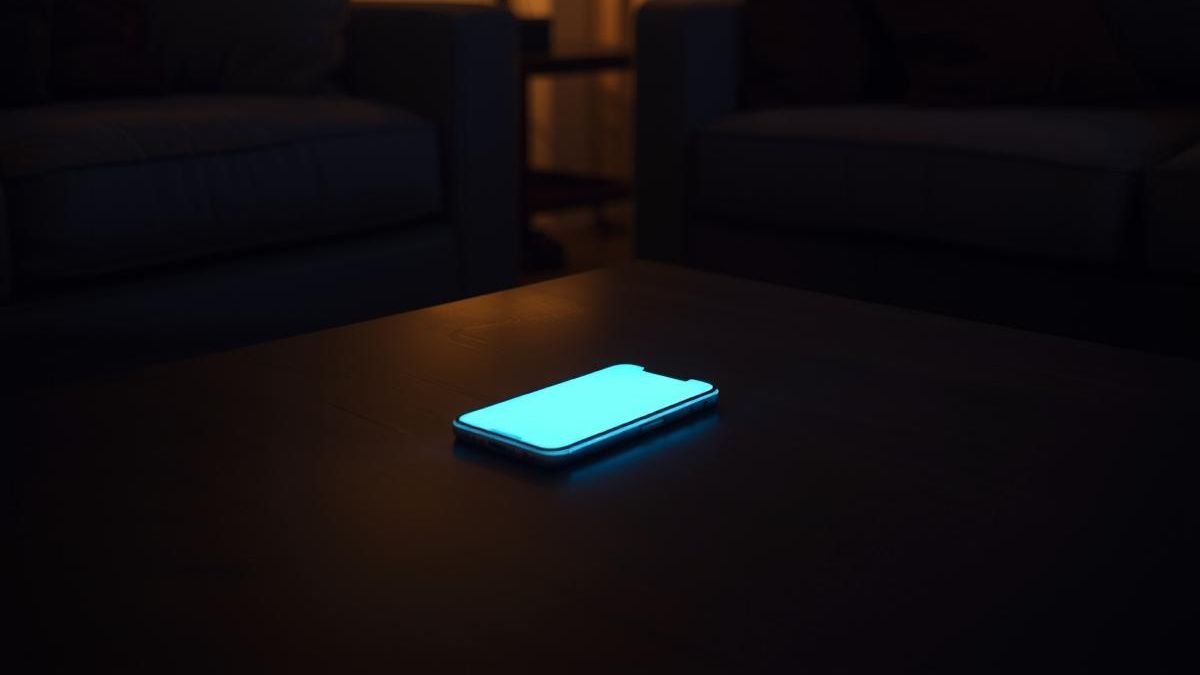
The "Hustle" Trap.
Revenge Bedtime Procrastination
For many men, the night is the only time they feel truly free. After a day of answering to bosses, clients, and family demands, staying up late to scroll through phone, play video games, or watch TV feels like reclaiming control. This is known as "Revenge Bedtime Procrastination".
It is a psychological response to a lack of autonomy during the day. You steal time from your sleep to feed your need for "me time." While it feels good in the moment, it robs you of the resilience you need to handle the next day, locking you into a loop of exhaustion and late-night rebellion.
The Ripple Effect.
Sleep deprivation rarely stays in the bedroom. It bleeds into your career and your home life. At work, your ability to problem-solve drops, and your risk of making critical errors increases—dangerous if you work with machinery or finances.
At home, the impact is often heartbreaking. You become the "grumpy dad" or the distant partner, not because you don't care, but because you literally lack the neurochemicals required for patience and empathy. It can make you feel isolated in your own home, too tired to engage but too wired to rest.


Repaying the Debt.
The good news is that sleep debt is not permanent. Your body is desperate to heal itself. You don't need to sleep for 24 hours straight to fix it; you just need consistency.
Neuroplasticity means your brain can recover from the fog of deprivation. Once you start prioritising rest, the testosterone levels bounce back, the brain fog clears, and the "short fuse" gets longer again. You aren't broken; you just need to recharge the battery properly.
5 Steps to Better Rest.
You can't force yourself to sleep, but you can build the trap that catches it. Here are five practical strategies to break the cycle of sleeplessness and reclaim your energy.
Optimize Your Sleep Environment
Make your bedroom conducive to sleep by keeping it dark, cool, and quiet. Avoid using screens before bed to reduce stimulation.

Consistent Sleep Schedule
Going to bed and waking up at the same time every day helps regulate your body’s internal clock.

Seek Professional Help
If substance abuse or an underlying sleep disorder like sleep apnea is affecting your sleep, consult a healthcare professional. Addressing issues like alcohol or cocaine abuse can improve your overall well-being.
Limit Stimulants
Reduce caffeine, alcohol, and nicotine intake, especially in the afternoon and evening. These substances can interfere with your ability to fall asleep and stay asleep.

Manage Stress
Practice relaxation techniques like meditation or deep breathing to help reduce work-related and financial stress. Managing stress effectively can improve both your mental health and sleep quality.