
Call Samaritans 116 123
Text SHOUT to 85258
Please use the numbers above for urgent support.
Stress & The Pressure Cooker.
For many men, stress isn't something we admit to; it's just the background noise of daily life. We are taught to "grit our teeth and get on with it." But when that noise becomes a constant roar, it stops being a motivator and starts being a hazard. If you feel like a fuse waiting to blow, or that you are constantly running on an empty tank, you aren't "weak"—you are carrying a load that needs to be set down.
Disclaimer: MMH provides peer support information and signposting, not medical diagnosis or clinical advice. If you are in crisis, please contact emergency services or a crisis line immediately.
Jump to: The Pressure Cooker | The Body Talk | The Missing Off-Switch | Active Maintenance | #Self-Help

The Pressure Cooker.
Men often experience stress differently than women. Instead of feeling "overwhelmed" or "teary," we often feel "blocked" or "angry." This is the pressure cooker effect. You hold the work deadlines, the family finances, and the relationship struggles inside to avoid burdening others.
The problem is that suppressed stress doesn't disappear; it leaks out. It shows up as a short fuse with your kids, road rage, or a sudden inability to concentrate. Recognizing that irritability is actually a symptom of stress—not a personality flaw—is the first step in lowering the heat.
The Body Talk.
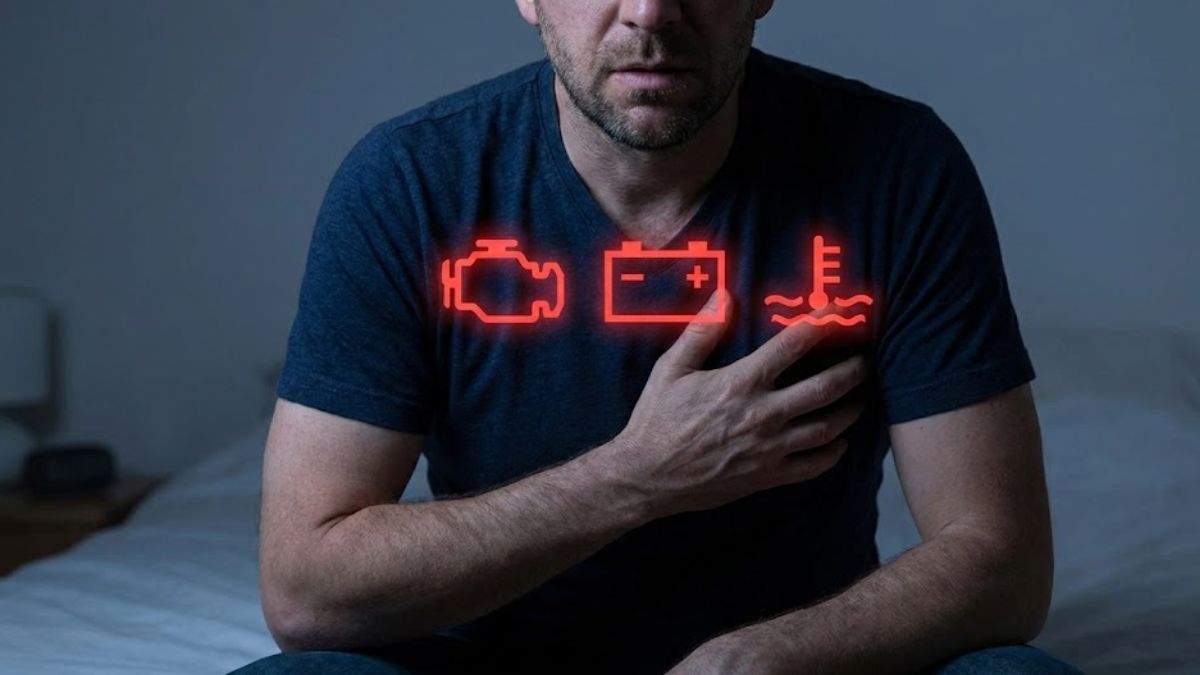
Sometimes, your mind will refuse to admit you are stressed, but your body will tell the truth. You might be ignoring the mental signals, but you can't ignore the physical ones: the clenched jaw, the tight chest, the constant fatigue, or the loss of libido.
These aren't just random aches; they are your body's dashboard warning lights. Treating these as physical isolated issues (taking pills for a headache or caffeine for tiredness) ignores the root cause. Your body is stuck in "fight or flight" mode, and it needs a signal that it is safe to power down.
Get Your Mind Plan.
Stress can be hard to pinpoint. The NHS 'Every Mind Matters' tool asks you 5 quick questions to build a personalized action plan for stress, anxiety, and sleep.
Take the Quiz (NHS) →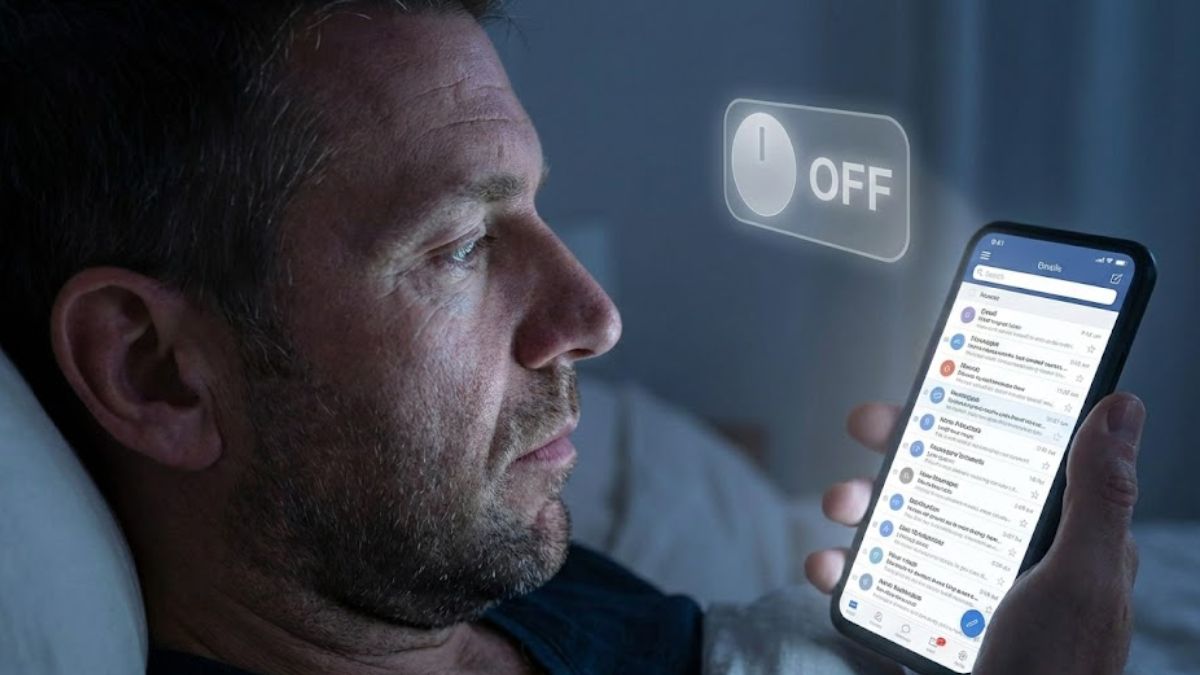
The Missing Off-Switch.
Our biology hasn't caught up with modern life. We are designed to feel stress for twenty minutes while running from a predator, not for twenty years while paying a mortgage. When you receive work emails at 9 PM or doom-scroll news in bed, you are denying your brain the recovery time it requires.
This state of "hyper-arousal" keeps cortisol levels high, wrecking your sleep and digestion. You have to manually install an "off-switch." This means creating hard boundaries where the inputs of the world—the phone, the news, the demands—are physically turned off.
Active Maintenance.
There is a big difference between "numbing out" and "resting." collapsing on the sofa with a beer and the TV might feel like relaxation, but it is often just sedation. Your brain is still processing background noise.
Real stress relief is active. It requires engaging a different part of your brain. This could be high-intensity exercise, fixing an engine, cooking, or being in nature. These activities force you into the present moment, breaking the cycle of worry about the future or regret about the past.

Releasing the Valve.
You cannot eliminate all stress, but you can get better at venting the pressure before the tank explodes. Stress management isn't about incense and chanting; it's about practical, mechanical maintenance for your mind. Here are five ways to start.

Relaxation Techniques
Deep breathing exercises, meditation, or progressive muscle relaxation can help calm your mind and body. Even a few minutes a day can make a big difference.

Identify Your Stressors
Take time to figure out what is causing your stress. Once you know the source, you can take steps to either eliminate or manage it better.

Seek Support
Talking to someone you trust, whether a friend, family member, or therapist, can provide relief. Sometimes, sharing your thoughts and feelings with others can help put things into perspective.

Focus on healthy habits
Physical activity helps release endorphins, which are natural stress relievers. Whether it's going for a run, hitting the gym, or practicing yoga, regular exercise is essential for managing stress.

Set Boundaries
Learn to say no when you're feeling overwhelmed. Managing your time effectively and setting limits can prevent burnout.